Why Tracking Your Pet’s Water and Urination Can Help Your Vet

Changes in thirst, urine volume, bathroom frequency and accidents can be important clues for a veterinarian. A simple home record can provide more useful information than trying to remember what changed days later.
A water bowl that suddenly needs refilling twice as often—or a litter box that seems unusually wet—can be worth paying attention to. Increased thirst and urination are associated with conditions ranging from kidney disease and diabetes to hormonal disorders, infections and medication effects, although those signs alone cannot tell you what is wrong.
That is why a simple record of what your pet drinks and how they urinate can be useful when you speak with a veterinarian. Instead of relying on a vague impression that your dog or cat has been “drinking more lately,” you can describe when the change started, how consistent it has been and what other changes happened at the same time.
Drinking more and urinating more are connected—but not always in the same way
Veterinarians use the terms polydipsia for excessive thirst or drinking and polyuria for excessive urine production.
The relationship between the two is more interesting than it may first appear.
In many cases, an underlying disorder makes an animal produce more urine. The pet then drinks more water to compensate for that fluid loss. Cornell University’s veterinary guidance notes that this is the pattern seen in many dogs with polyuria and polydipsia.
But the sequence can sometimes work in the opposite direction. According to VCA Animal Hospitals, excessive water consumption can occasionally be the primary problem, with the animal then producing more urine to eliminate the additional water.
That distinction is one reason the observation “my pet drinks a lot” is only the beginning of the investigation.
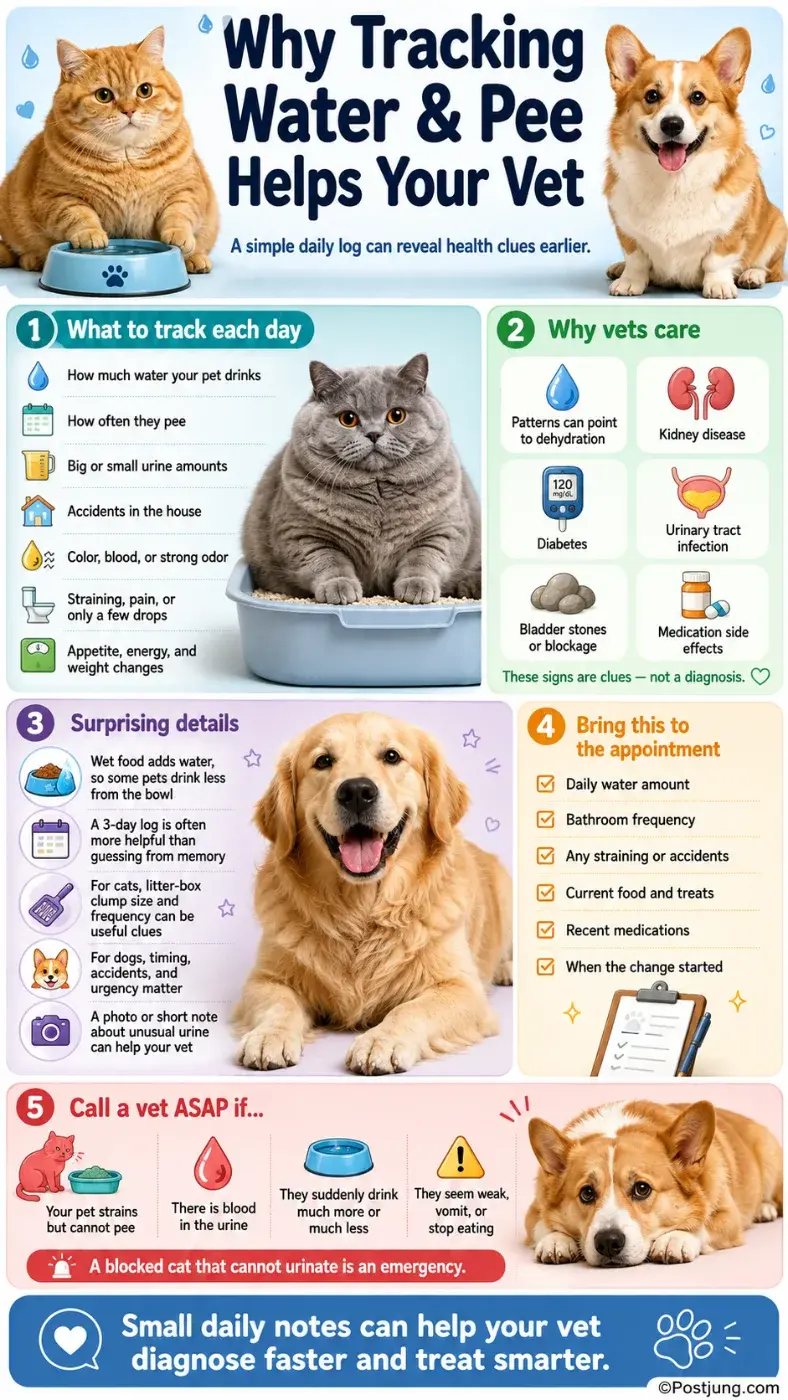
A measured amount is more useful than a guess
If drinking seems abnormal, measuring the actual amount can give your veterinarian a clearer picture.
One practical approach is to measure how much water you put out and calculate approximately how much remains after 24 hours. VCA specifically notes that measuring a pet’s 24-hour water intake can help a veterinarian judge the severity of increased thirst and urination.
There are limitations. Multiple pets sharing bowls can make measurement difficult, spilled water can distort the result, and water consumed from fountains, toilets or outdoors may be missed.
The goal is not to decide at home whether the amount is medically abnormal. It is to give your veterinarian better information.
Never deliberately restrict access to water in an attempt to test whether a thirsty pet “really needs it.” Some disorders that cause excessive urination can lead to substantial water loss, and restricting water without veterinary direction can be dangerous.
The bathroom pattern matters too
How a pet urinates can be just as informative as how often.
For dogs, useful observations include whether they suddenly ask to go outside more frequently, have accidents indoors, leak urine while resting or seem to spend longer trying to urinate. Cornell lists several of these changes among signs owners may notice when a dog develops increased urination.
For cats, the litter box creates another opportunity to notice patterns. More frequent trips, unusually large or small urine clumps, urinating outside the box, straining or repeated attempts with little urine are all observations worth reporting.
Merck Veterinary Manual notes that urinary disorders can cause dribbling, incontinence, an abnormal urine stream, frequent attempts to urinate and the passage of only small amounts. Evaluating these problems depends partly on a careful history in addition to examination and diagnostic testing.
The pattern can point in several directions
One reason veterinarians ask detailed questions is that increased thirst and urination are not specific to a single disease.
Possible causes include kidney disorders, diabetes mellitus, adrenal disorders, liver disease, electrolyte disturbances, some cancers, uterine infection in unspayed females and certain medications.
Diabetes provides a good example of how these signs develop. Cornell explains that high blood glucose in a diabetic cat can cause glucose to enter the urine. The glucose draws additional water into the urine, increasing urinary water loss; the cat then drinks more to compensate. Weight loss despite a good appetite may occur at the same time.
Older cats may have another possibility: hyperthyroidism. Cornell lists weight loss, increased appetite, increased thirst and increased urination among its most common clinical signs.
None of those patterns proves a diagnosis. Blood tests, urinalysis and sometimes additional testing are needed to determine the cause.
What to write down before a vet visit
A useful record does not need to be complicated. Note the approximate daily water consumption when it can be measured reliably, whether urination seems increased or decreased, bathroom frequency, accidents and any visible straining.
Also record changes in appetite, body weight, energy, vomiting or other symptoms. Write down current medications and supplements, because some drugs can affect drinking and urination.
This kind of daily logging is already part of veterinary monitoring for some conditions. The American Animal Hospital Association’s 2026 feline diabetes guidelines encourage caregivers to keep records of appetite, thirst, urinary habits, feeding and treatment information for review at veterinary rechecks.
The value is not in producing a perfect spreadsheet. It is in preserving a pattern that might otherwise be forgotten.
One urinary sign should never wait for a routine appointment
Repeated straining with little or no urine is different from simply urinating more often.
Urethral obstruction—when urine cannot leave the bladder—is a veterinary emergency. Merck Veterinary Manual notes that male cats are particularly predisposed to this problem. Signs may include repeated unsuccessful attempts to urinate, vocalizing in the litter box, lethargy and loss of appetite.
A cat that appears unable to urinate needs immediate veterinary attention rather than home monitoring.
For less urgent changes, a few careful notes about the water bowl, litter box or bathroom routine can turn an uncertain memory into useful clinical history. They will not diagnose the problem—but they can give the veterinarian a clearer starting point for finding out what has changed.
SOURCES USED:
- American Animal Hospital Association — 2026 AAHA Diabetes Management Guidelines for Cats: Other Methods for Monitoring Glycemic Status
- American Animal Hospital Association — 10 Pet Health Signs You Should Never Ignore
- VCA Animal Hospitals — Testing for Increased Thirst and Urination
- Merck Veterinary Manual — Disorders of Micturition in Dogs and Cats
- Cornell University College of Veterinary Medicine — Canine Polyuria and Polydipsia
- Merck Veterinary Manual — Urethral Obstruction in Small Animals

เขียนโดย Postjung Insights
 เจาะลึกรายได้พนักงานส่งอาหารแต่ละวันได้เท่าไร/หักค่าใช้จ่ายอะไรบ้าง
 อำเภอที่มีชื่ออำเภอสั้นที่สุด 3 อำเภอเท่านั้นในประเทศไทย
 แปลปกสลาก งวด 1 ต.ค. 69 ส่องตัวเลขจากภาพปกสลากกินแบ่งรัฐบาล
 รู้หรือไม่? เปิดรายได้พนักงานส่งพัสดุของแต่ละแอป วันหนึ่งได้เท่าไร
 โรงเรียนที่มีนักเรียนมากที่สุดในไทย
 สุดระทึก! ไฟไหม้รางรถไฟฟ้า MRT สถานีเตาปูน-บางโพ..หยุดให้บริการชั่วคราวทุกสถานี
 เกษียณแล้วทำอะไรดี เปิด 4 กลุ่มอาชีพที่ผู้สูงวัยไทยทำกันน้อย จากข้อมูล 5.26 ล้านคน
 ส่องเลข 3 สำนักพิมพ์ งวด 1 ต.ค. 69 ตัวไหนมีข้อมูลตรงกัน
 เลขเด็ดไพ่ยิปซี งวด 1 ตุลาคม 2569 รวมเลขเด่นและเลขท้าย 2 ตัว
 เปิด 5 โรงเรียนหญิงล้วนเก่าแก่ของไทย ที่มีประวัติยาวนานกว่าศตวรรษ
 เปิดศึกเลขเด็ดงวดนี้! เจ้าพ่อปากแดง ปะทะ เจ้าแม่ตะเคียนทอง งวด 1 ต.ค. 59 คัดมาให้เน้นๆ พร้อมลุ้นรวย
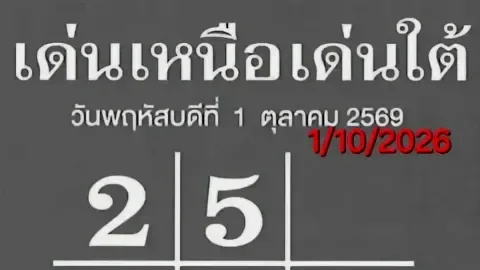 ตาราง “เด่นเหนือเด่นใต้” งวด 1 ต.ค. 69 เปิดข้อมูลตามโพย เลขไหนอยู่ตรงไหนสุดระทึก! ไฟไหม้รางรถไฟฟ้า MRT สถานีเตาปูน-บางโพ..หยุดให้บริการชั่วคราวทุกสถานีเจาะลึกรายได้พนักงานส่งอาหารแต่ละวันได้เท่าไร/หักค่าใช้จ่ายอะไรบ้างเปิด 5 โรงเรียนหญิงล้วนเก่าแก่ของไทย ที่มีประวัติยาวนานกว่าศตวรรษ
 เปิด 5 สินค้าส่งออกของลาวที่คนไทยอาจคาดไม่ถึง หนึ่งในนั้นทำเงินเกือบ 1 พันล้านดอลลาร์เกษียณแล้วทำอะไรดี เปิด 4 กลุ่มอาชีพที่ผู้สูงวัยไทยทำกันน้อย จากข้อมูล 5.26 ล้านคน
 โรงเรียนเพียงแห่งเดียวของประเทศไทย ที่อยู่มาตั้งแต่ยุครัชกาลที่ 4
 English Edition