Why Puppies Bite Your Hands During Play—and How to Respond
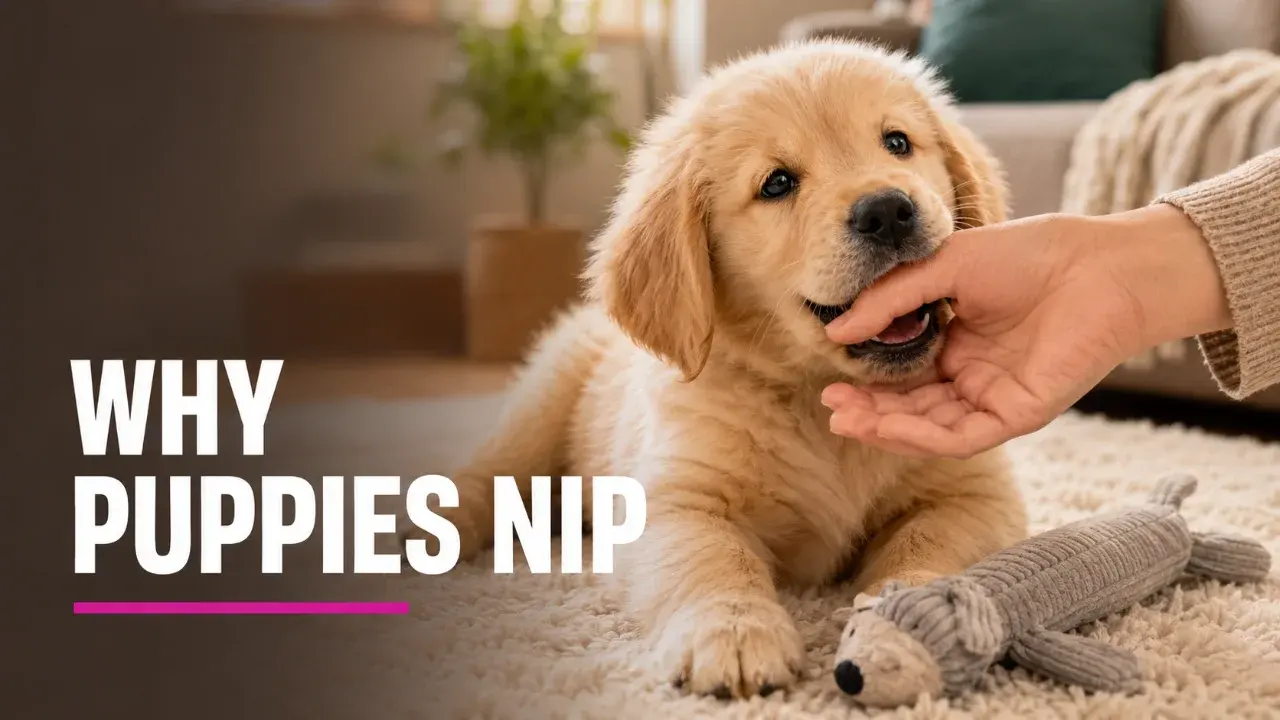
Those needle-sharp nips are usually part of normal puppy play, not an attempt to dominate you. The way you respond can teach your puppy that toys—not human skin—keep the game going.
A puppy lunges for your fingers, catches your sleeve, and returns for another bite as if your hand were the world’s most exciting toy. It can hurt, but in most young puppies, play biting is normal social behavior, not aggression.
Puppies explore and interact with the world through their mouths. Human hands are especially tempting because they move, offer immediate feedback, and often appear in the middle of every exciting game.
Understanding the reason does not mean accepting painful bites. It means responding in a way your puppy can understand.
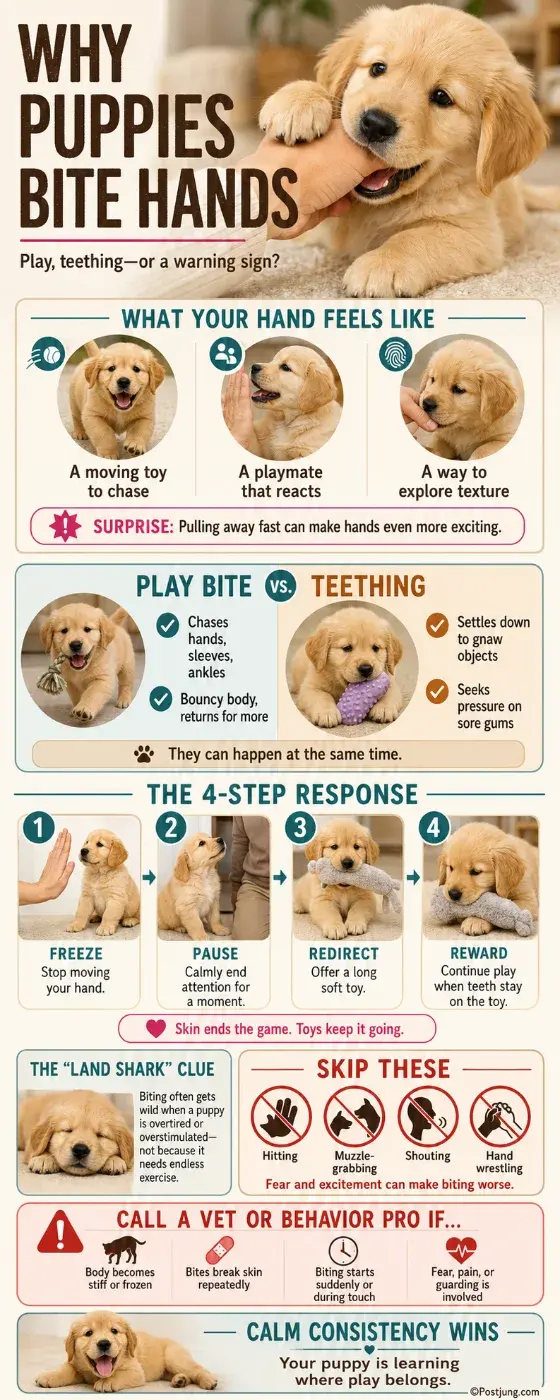
Hands behave like irresistible toys
Watch puppies play together and you will see plenty of chasing, wrestling, grabbing, and mouthing. When a puppy moves into a human home, hands may become substitutes for a littermate’s ears, legs, or tail.
Wiggling fingers invite pursuit. Pulling a hand away quickly can turn it into something to chase. Pushing the puppy back may feel like another round of wrestling. Even loud reactions can add excitement for some puppies.
A puppy is not necessarily trying to hurt you. The puppy may simply be repeating behavior that makes the interaction more animated.
Mouthing also helps puppies investigate texture and movement. Their mouths perform some of the work that human hands do when we examine an unfamiliar object.
Play biting and teething are related—but not identical
People often blame every nip on teething. Sore gums can increase a puppy’s desire to chew, but veterinary guidance distinguishes chewing from social play.
A teething puppy is more likely to settle down and gnaw on a toy, furniture leg, or other object. Play biting is more interactive: the puppy pursues moving hands, clothing, ankles, or feet and may immediately return when the person reacts.
The two behaviors can overlap. A puppy may have uncomfortable gums, abundant energy, and a strong desire to play at the same time. That is why simply providing a chew toy may help but does not always solve hand-biting by itself.
What to do when puppy teeth touch skin
The goal is to make the lesson predictable: biting skin pauses the fun, while choosing an appropriate toy keeps it going.
When your puppy mouths your hand, stop moving it rather than jerking it away. End your attention briefly and calmly. Once the puppy settles, resume the interaction with a suitable toy.
Keep toys within reach in the rooms where biting commonly occurs. A long tug toy or soft toy creates space between teeth and fingers. If the puppy chooses the toy, reward that decision with play, praise, or a small treat.
Some owners make a high-pitched yelp because it resembles feedback between puppies. This works for some dogs, but it makes others more excited. If vocalizing leads to harder or faster biting, quietly stop the interaction instead.
Consistency matters more than drama. If one person redirects the puppy while another encourages hand wrestling, the puppy receives two conflicting rules.
Try this simple sequence:
- Freeze when teeth touch your skin or clothing.
- Calmly remove attention for a brief moment.
- Offer an appropriate toy when the puppy is composed.
- Reward calm play and voluntary choices that do not involve biting.
- End the session if the puppy repeatedly becomes overexcited.
The pause should not be frightening or punitive. It is simply a clear consequence: rough contact makes access to play disappear.
Sometimes the puppy needs rest, not another game
Biting often intensifies when a puppy is overstimulated, frustrated, or tired. An evening burst of ankle attacks may look like a demand for more exercise, yet the puppy may actually be struggling to settle.
A predictable routine that includes sleep, meals, bathroom breaks, mental enrichment, and age-appropriate activity can make mouthiness easier to manage. Short training games can also channel the puppy’s attention into behaviors such as sitting, touching a target, or retrieving a toy.
Avoid trying to “show who is boss.” Hitting, pinning, muzzle-grabbing, scruff-shaking, or shouting can create fear and may intensify defensive behavior. The American Veterinary Society of Animal Behavior recommends reward-based training and advises against aversive methods because of their welfare and behavioral risks.
Calm repetition teaches more than punishment. Puppies need many opportunities to practice the right choice before that choice becomes reliable.
When biting may be more than play
Normal play is usually loose, bouncy, and connected to an exciting interaction. A puppy may return repeatedly, but the overall body language remains playful.
Seek professional guidance if the behavior includes a stiff or frozen posture, intense guarding of food or objects, biting triggered by fear or handling, repeated bites that break skin, or difficulty disengaging. A sudden behavioral change may also be associated with pain or illness.
Start with a veterinarian, particularly when the behavior appears suddenly or occurs during touch. The veterinarian can check for medical causes and, when appropriate, refer you to a qualified reward-based trainer or veterinary behaviorist.
Children require close adult supervision around any puppy. Young children may run, squeal, wave their hands, or hug tightly—all of which can intensify chasing or mouthing. Adults should manage the interaction instead of expecting either the child or the puppy to handle it alone.
Puppy biting rarely disappears after one clever trick. Progress comes from arranging play well, rewarding appropriate choices, and responding the same way each time. With patient guidance, your puppy can learn that hands bring good things—but are not chew toys. VCA Animal Hospitals, RSPCA, American Veterinary Society of Animal Behavior
VCA Animal Hospitals, RSPCA, American Veterinary Society of Animal Behavior, ASPCA
REFERENCES:
https://vcahospitals.com/know-your-pet/play-biting-in-puppies
https://www.rspca.org.uk/documents/1494939/7712578/Understand mouthing and play biting behaviour (156 KB)/a444ab58-8ef0-32e2-6b34-0726fdc652ed?version=2.0
https://avsab.org/resources/position-statements/
https://www.aspca.org/pet-care/dog-care/common-dog-behavior-issues/mouthing-nipping-and-biting-puppies

เขียนโดย Postjung Insights
 5 คณะที่เรียนจบมาแล้ว มีอาชีพรองรับมากกว่าที่คิด
 รู้หรือไม่? เปิดรายได้พนักงานส่งพัสดุของแต่ละแอป วันหนึ่งได้เท่าไร
 โรงเรียนที่มีนักเรียนมากที่สุดในไทย
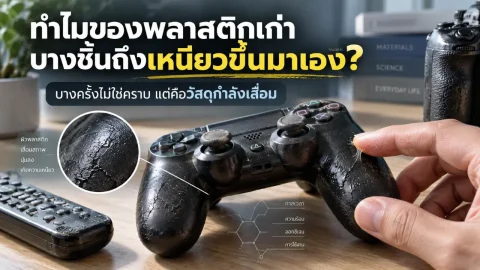 ทำไมของพลาสติกเก่าบางชิ้นถึง “เหนียว” ขึ้นมาเอง ทั้งที่ไม่ได้เปื้อนอะไร?
 เปิดรายชื่อโรงเรียนในไทยที่ “ว่ายน้ำ” อยู่ในหลักสูตร เรียนจริงตั้งแต่อนุบาลถึงมัธยม
 เลขเด็ดปฏิทิน "หลวงปู่โต๊ะ" งวดวันที่ 1 ตุลาคม 69..ส่องเลย เลขไหนให้โชค!
 จุฬาฯ มหาวิทยาลัยแห่งแรกของไทย มีจุดเริ่มต้นในสมัยรัชกาลที่ 5
 อำเภอที่มีชื่ออำเภอสั้นที่สุด 3 อำเภอเท่านั้นในประเทศไทย
 ตาราง “เด่นเหนือเด่นใต้” งวด 1 ต.ค. 69 เปิดข้อมูลตามโพย เลขไหนอยู่ตรงไหน
 Google ยอมรับแล้ว! Gemini AI เข้าถึงระบบบริษัทจริง 3 แห่ง ระหว่างการทดสอบความปลอดภัย
 ส่องเลข 3 สำนักพิมพ์ งวด 1 ต.ค. 69 ตัวไหนมีข้อมูลตรงกัน
 แปลปกสลาก งวด 1 ต.ค. 69 ส่องตัวเลขจากภาพปกสลากกินแบ่งรัฐบาล5 คณะที่เรียนจบมาแล้ว มีอาชีพรองรับมากกว่าที่คิดเปิดรายชื่อโรงเรียนในไทยที่ “ว่ายน้ำ” อยู่ในหลักสูตร เรียนจริงตั้งแต่อนุบาลถึงมัธยมGoogle ยอมรับแล้ว! Gemini AI เข้าถึงระบบบริษัทจริง 3 แห่ง ระหว่างการทดสอบความปลอดภัยเลขเด็ดปฏิทิน "หลวงปู่โต๊ะ" งวดวันที่ 1 ตุลาคม 69..ส่องเลย เลขไหนให้โชค!ทำไมของพลาสติกเก่าบางชิ้นถึง “เหนียว” ขึ้นมาเอง ทั้งที่ไม่ได้เปื้อนอะไร?
 อุทยานเขาใหญ่เรียกตัว “ตีนผี” หลังขับจี้ช้างป่าพ่อลูก ลั่นระยะ 50 เมตรต้องจำให้ขึ้นใจ
 English Edition