Why Annual Vet Checks Can Save Pet Owners Money Later
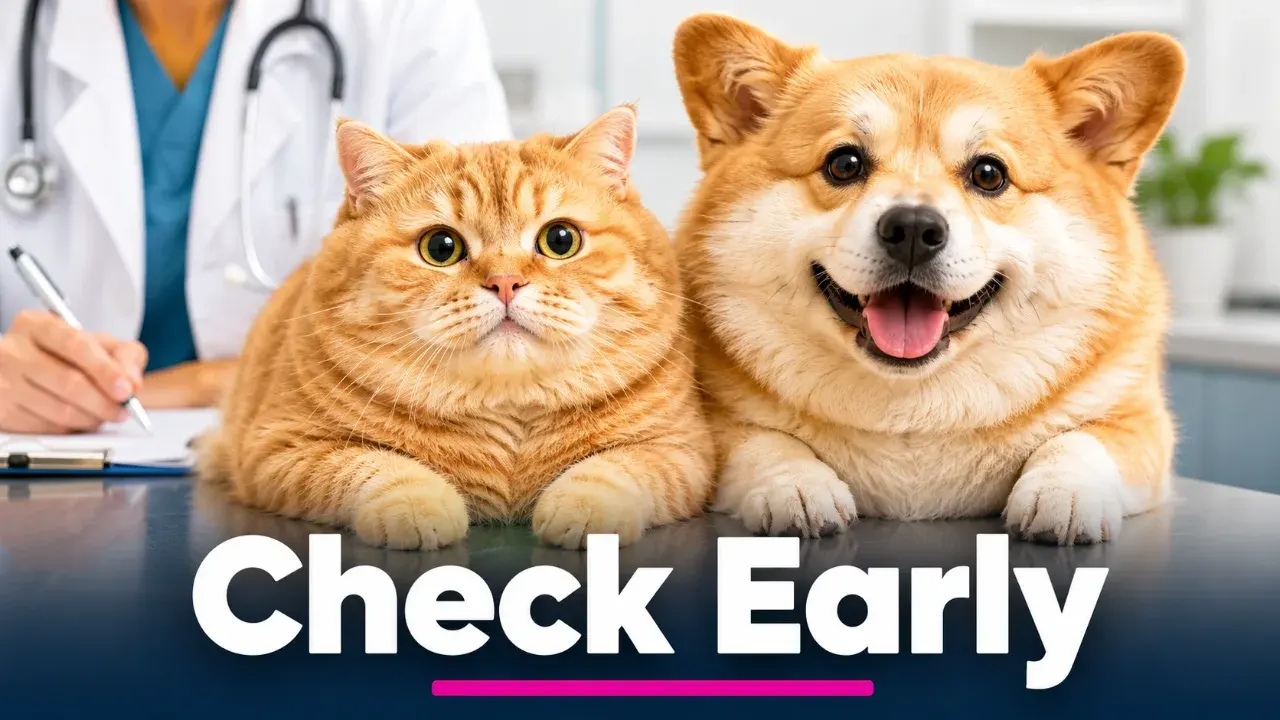
A yearly vet visit may feel optional when a pet looks healthy. But routine exams can catch hidden problems early, guide prevention, and help owners avoid more expensive surprises later.
A healthy-looking pet can still be quietly developing a problem. That is why an annual vet check is not just a calendar reminder or a vaccine appointment — it is one of the simplest ways to protect both a pet’s health and an owner’s budget.
Veterinarians recommend regular wellness exams because early detection can make health problems easier to manage. The American Veterinary Medical Association says catching issues in early stages can mean more treatment options, better outcomes, and often lower costs than waiting until a condition is advanced.
For many owners, the hard part is that pets do not always show pain clearly. Dogs may keep playing despite sore joints. Cats may hide changes in appetite or behavior. A small dental issue, weight gain, skin irritation, parasite exposure, or early organ change may not look urgent at home — until it becomes much harder to treat.
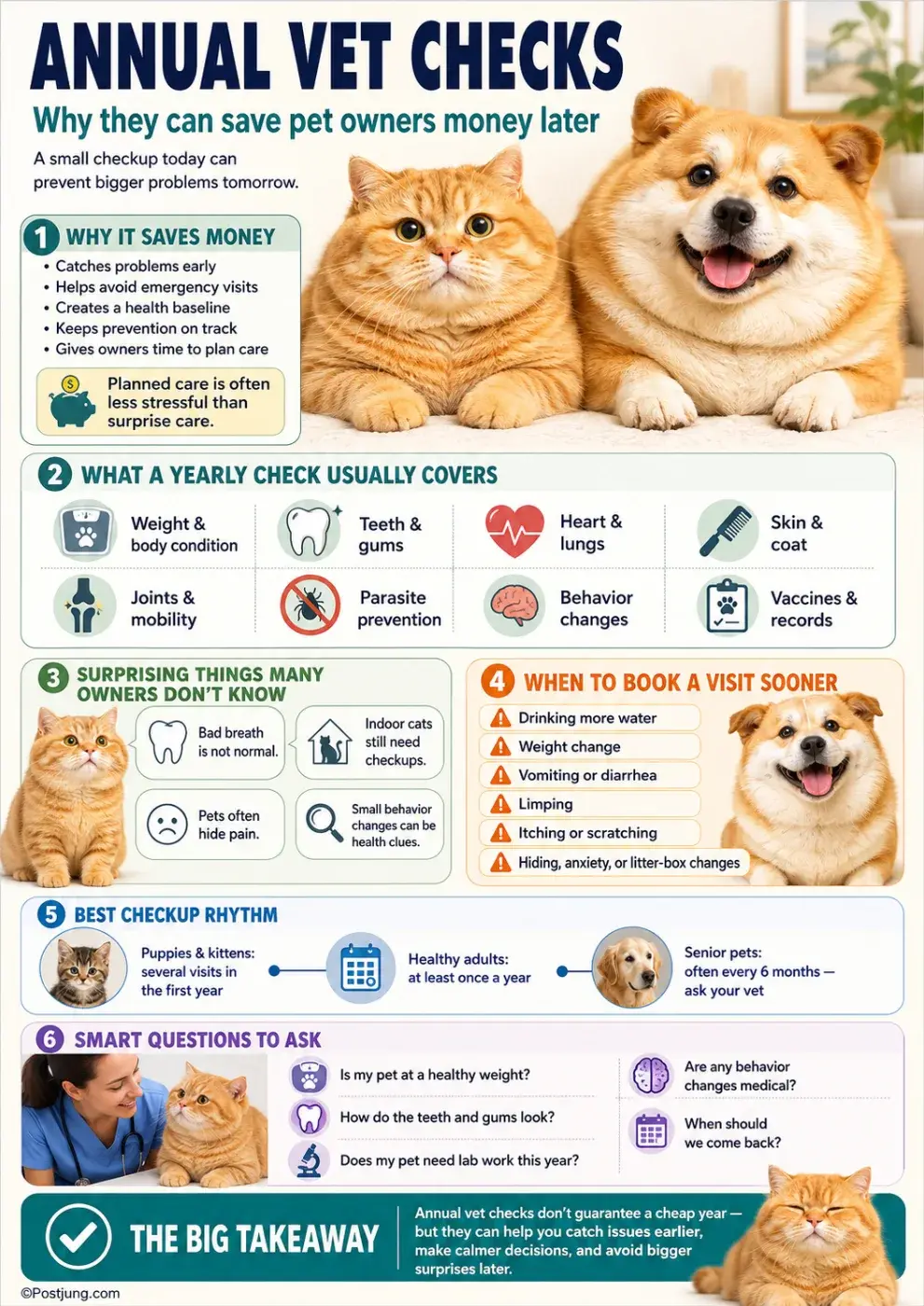
The real value is timing.
A wellness visit gives a veterinarian a chance to notice what owners may not see: weight changes, dental disease, lumps, heart or lung sounds, skin problems, mobility changes, and behavior shifts that could point to pain or illness.
That does not mean every annual visit will uncover something serious. Most will not. But the point is to build a health record over time, so small changes are easier to spot before they become emergencies.
Why “healthy” pets still need exams
One common misunderstanding is that annual vet checks are only necessary when a pet is sick.
That thinking can become expensive.
The American Animal Hospital Association and AVMA preventive healthcare guidance recommends that dogs and cats receive a veterinary checkup at least once a year. The same guidance notes that senior pets often benefit from exams every six months because aging can make health changes appear faster.
For indoor cats, the logic is especially important. Many owners assume an indoor cat faces fewer risks, so yearly exams can wait. But indoor pets can still develop dental disease, obesity, diabetes, arthritis, kidney issues, or behavior changes linked to pain.
An annual check is not about assuming something is wrong. It is about making sure nothing important is being missed.
The costs that prevention can help control
Vet care can become expensive when a problem reaches the emergency stage. A routine exam cannot prevent every illness, accident, or genetic condition, but it can reduce the chance that manageable problems go unnoticed.
A yearly visit may help with:
Dental problems before they become painful. AVMA advises that a pet’s teeth and gums should be checked at least once a year by a veterinarian, and AAHA notes that dental disease is common in dogs and cats by early adulthood. Untreated dental disease can lead to pain, infection, and more complicated treatment.
Weight gain before it affects mobility. A few extra pounds may not look serious, but weight can affect joints, breathing, heart health, and diabetes risk. A vet can help set a realistic target weight and adjust food or activity before the problem becomes harder to reverse.
Parasites before they spread. AAHA’s preventive healthcare guidance says dogs and cats should receive regular testing for heartworm and internal parasites, depending on risk and veterinary advice. Parasite problems can affect pets and, in some cases, people in the same household.
Senior-pet changes before they become crises. Older pets may need closer monitoring, including blood or urine testing, blood pressure checks, imaging, or other diagnostics when a veterinarian thinks they are appropriate.
None of this means owners should approve every test automatically. Good preventive care should be personal, based on a pet’s age, breed, lifestyle, health history, and risk.
What happens during a yearly checkup
A wellness exam is usually a nose-to-tail review of the pet’s condition. The veterinarian may check the eyes, ears, mouth, teeth, skin, coat, heart, lungs, abdomen, joints, weight, and overall body condition.
The visit is also a conversation.
Owners can mention changes that seem minor at home: drinking more water, sleeping more, bad breath, scratching, limping, hiding, accidents outside the litter box, anxiety, or changes in appetite.
Those details matter. A behavior issue can sometimes be training-related, but it can also be connected to pain, infection, stress, or another medical cause. AAHA’s pet-owner guidance specifically encourages owners to discuss behavior concerns with their veterinarian instead of assuming they are separate from health.
For American readers, it may help to think of the visit the way many people think about annual physicals or dental cleanings. The appointment is not only for today’s problem. It creates a baseline, updates prevention, and gives the professional a chance to catch early warning signs.
The money-saving part is not always immediate
Annual vet checks do not always feel like savings at the front desk. Owners still pay for the exam, vaccines if needed, parasite prevention, dental recommendations, or lab work.
The savings come from avoiding the version of care that happens later, under pressure.
A mild dental issue is usually easier to manage than severe infection. Slight weight gain is easier to address than arthritis made worse by years of excess weight. Early kidney changes may offer more room for monitoring and diet planning than a late-stage crisis.
Prevention is not cheap care. It is planned care.
That difference matters. Planned care gives owners time to ask questions, compare options, budget for treatment, and make decisions calmly. Emergency care often removes that flexibility.
Questions worth asking at the appointment
A good annual visit should leave an owner with a clearer picture of the pet’s health, not just a receipt.
Useful questions include:
- Is my pet’s weight healthy?
- How do the teeth and gums look?
- Are vaccines and parasite prevention current for my pet’s lifestyle?
- Should my pet have bloodwork or urine testing this year?
- Are any behavior changes possibly medical?
- When should the next checkup be?
For senior pets, ask whether six-month visits make sense. For cats, ask specifically about dental health, weight, kidneys, and arthritis, because subtle signs can be easy to miss at home.
Owners should also be honest about budget. A veterinarian can often help prioritize what is most urgent, what can be monitored, and what options may fit the pet’s risk level.
The bottom line
Annual vet checks are not a guarantee against illness. They cannot prevent every emergency or remove every future cost.
But they can make pet care less reactive.
They give owners a better chance to catch problems early, plan ahead, and keep small issues from becoming bigger ones. For pets, that can mean less pain and better quality of life. For owners, it can mean fewer expensive surprises — and more confidence that they are not waiting until something is visibly wrong.
The best time to notice a problem is before it looks like one.
KEY TAKEAWAYS:
- Annual vet checks can catch hidden problems before they become harder and more expensive to treat.
- Healthy-looking pets still need exams because animals often hide pain or illness.
- Teeth, weight, parasites, behavior, and senior-pet changes are major areas to discuss.
- Preventive care is not a guarantee, but it gives owners more time and better options.
- Pet owners should ask their veterinarian which tests and visit frequency fit their pet’s age, lifestyle, and risk.
American Veterinary Medical Association, American Animal Hospital Association
REFERENCES:
https://www.avma.org/resources-tools/pet-owners/petcare/importance-wellness-exams
https://www.avma.org/resources-tools/pet-owners/petcare/financial-assistance-veterinary-care-costs
https://www.avma.org/resources-tools/pet-owners/petcare/pet-dental-care
https://www.aaha.org/resources/preventive-healthcare-for-pets/

เขียนโดย Postjung Insights
 อำเภอที่มีชื่ออำเภอสั้นที่สุด 3 อำเภอเท่านั้นในประเทศไทย
 รู้หรือไม่? เปิดรายได้พนักงานส่งพัสดุของแต่ละแอป วันหนึ่งได้เท่าไร
 Google ยอมรับแล้ว! Gemini AI เข้าถึงระบบบริษัทจริง 3 แห่ง ระหว่างการทดสอบความปลอดภัย
 ทำไมของพลาสติกเก่าบางชิ้นถึง “เหนียว” ขึ้นมาเอง ทั้งที่ไม่ได้เปื้อนอะไร?
 5 คณะที่เรียนจบมาแล้ว มีอาชีพรองรับมากกว่าที่คิด
 เปิดรายชื่อโรงเรียนในไทยที่ “ว่ายน้ำ” อยู่ในหลักสูตร เรียนจริงตั้งแต่อนุบาลถึงมัธยม
 โรงเรียนที่มีนักเรียนมากที่สุดในไทย
 ตาราง “เด่นเหนือเด่นใต้” งวด 1 ต.ค. 69 เปิดข้อมูลตามโพย เลขไหนอยู่ตรงไหน
 ดอลลาร์จะล่มสลายจริงไหม?
 ส่องเลข 3 สำนักพิมพ์ งวด 1 ต.ค. 69 ตัวไหนมีข้อมูลตรงกัน
 เลขเด็ดปฏิทิน "หลวงปู่โต๊ะ" งวดวันที่ 1 ตุลาคม 69..ส่องเลย เลขไหนให้โชค!
 โรงเรียนเพียงแห่งเดียวของประเทศไทย ที่อยู่มาตั้งแต่ยุครัชกาลที่ 45 คณะที่เรียนจบมาแล้ว มีอาชีพรองรับมากกว่าที่คิดเปิดรายชื่อโรงเรียนในไทยที่ “ว่ายน้ำ” อยู่ในหลักสูตร เรียนจริงตั้งแต่อนุบาลถึงมัธยมGoogle ยอมรับแล้ว! Gemini AI เข้าถึงระบบบริษัทจริง 3 แห่ง ระหว่างการทดสอบความปลอดภัยเลขเด็ดปฏิทิน "หลวงปู่โต๊ะ" งวดวันที่ 1 ตุลาคม 69..ส่องเลย เลขไหนให้โชค!ทำไมของพลาสติกเก่าบางชิ้นถึง “เหนียว” ขึ้นมาเอง ทั้งที่ไม่ได้เปื้อนอะไร?
 อุทยานเขาใหญ่เรียกตัว “ตีนผี” หลังขับจี้ช้างป่าพ่อลูก ลั่นระยะ 50 เมตรต้องจำให้ขึ้นใจ
 English Edition