Why Cats Reject Food They Seemed to Love Yesterday
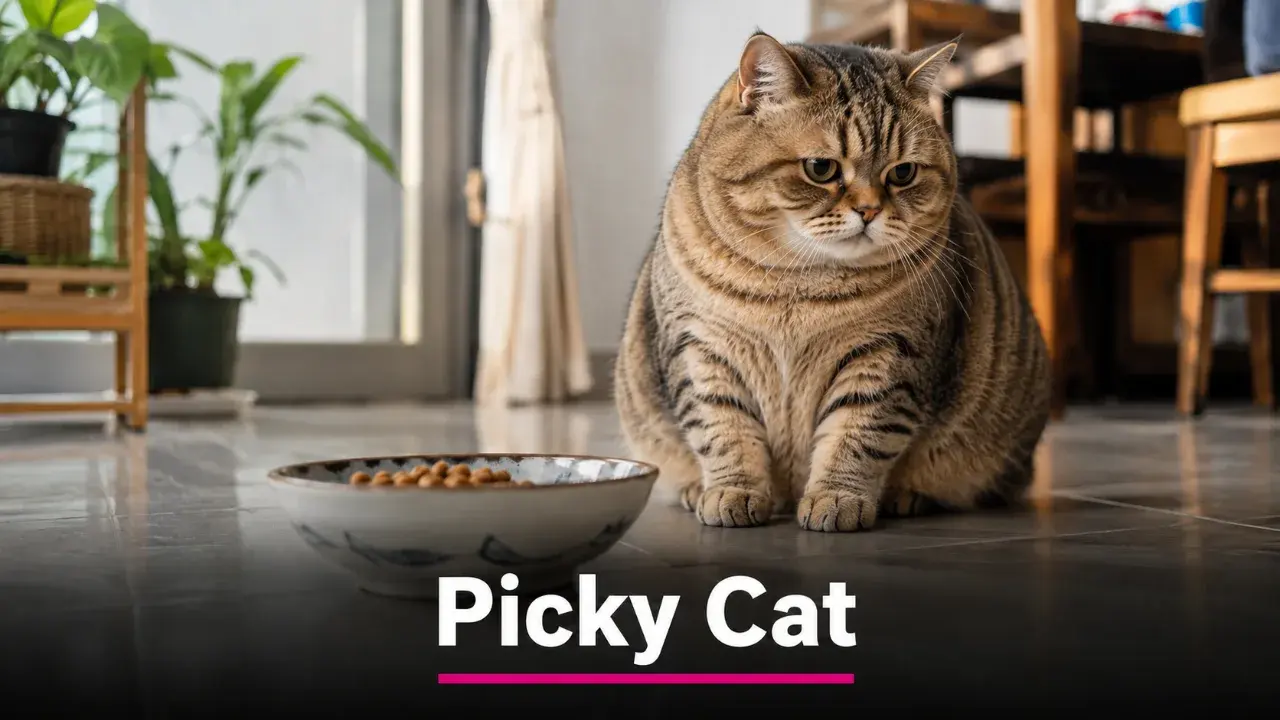
A cat’s “no thanks” at mealtime can come from smell, texture, habit, stress, or health. Understanding the difference can help owners respond without turning dinner into a standoff.
That untouched bowl is not always a protest.
A cat may reject food for reasons that are invisible to humans: a slightly different smell, a texture that feels wrong, a noisy feeding spot, a change in routine, or a health issue that has not yet become obvious.
That is why feline pickiness can feel so confusing. One day, your cat eats a food happily. The next day, the same brand gets one sniff and a quiet walk away.
To a person, it looks unreasonable. To a cat, the meal may simply fail a very specific test.
Cats do not judge food the way humans do
Cats are obligate carnivores, which means their bodies are built around nutrients found in animal tissue. Their food preferences are shaped by that biology.
One of the most surprising details is that cats do not experience sweetness the way people do. Research published in PLOS Genetics found that cats lack a functional sweet-taste receptor, which helps explain why sugary flavor is not a selling point for them.
That matters because owners often imagine flavor through a human lens. We may think a food smells rich, looks fresh, or seems like a nice treat. A cat may be using a different checklist entirely.
For many cats, aroma, moisture, fat, texture, temperature, and familiarity matter more than the “flavor” a human thinks the food has.
A tiny change can be enough
Cats can be extremely sensitive to changes that people barely notice.
A can opened yesterday may smell different today. A bag of kibble may lose its fresh aroma after being open too long. A “new formula” version of the same food may have a slightly different texture. Even the shape or crunch of kibble can matter to some cats.
This does not mean every picky cat is impossible to please. It means cats often make fast decisions based on sensory details.
A quick sniff can decide the whole meal.
Temperature may also play a role, especially with wet food. Some cats prefer food closer to room temperature or gently warmed because the smell becomes stronger. Others prefer it cooler. The safest approach is to experiment carefully and make sure warmed food is never hot enough to burn the mouth.
The bowl may be the real problem
Sometimes the food is fine. The feeding setup is not.
Cats often prefer quiet, predictable eating spaces. A bowl placed near a litter box, a loud appliance, a busy hallway, a dog’s path, or another cat’s territory can make mealtime feel unsafe.
This is easy to overlook in small homes and apartments, whether in Bangkok, New York, Los Angeles, or anywhere else where pets share tight living space with people, noise, and other animals.
A cat may not look scared. It may simply stop eating there.
Dirty bowls can also matter. Old food residue, strong detergent smells, or a bowl that traps odor may turn a meal off before the first bite. Some cats dislike deep bowls because their whiskers touch the sides too much, so a shallow dish can sometimes help.
Pickiness can become a learned habit
A cat that only accepts one food may not be “spoiled” in the way people use that word. It may have learned that one smell, shape, or texture equals safe food.
This can happen when a cat eats the same product for a long time. The food becomes part of the animal’s routine. Anything else feels suspicious.
Offering a small range of appropriate cat foods, when the cat is healthy and the veterinarian has not prescribed a specific diet, may help some cats avoid becoming locked into one option. But sudden changes can backfire.
Cats often need slow transitions. Mixing a little of the new food with the familiar food, then increasing the new portion gradually, gives the cat time to adjust to the smell and texture.
For sensitive cats, slower is often better.
Cats are not tiny dogs at dinner
One common misunderstanding is expecting cats to eat like dogs.
Many dogs make meals obvious: excitement, fast eating, a clean bowl. Cats can be more subtle. They may eat a little, leave, return later, and still be behaving normally.
Cats are natural small-meal hunters. A cat that does not finish a bowl immediately is not always rejecting the food.
The challenge is that grazing can hide a real appetite drop. If food is always available, an owner may not notice that a cat is eating less until the change has been going on for days.
That is why portion awareness matters. You do not need to obsess over every bite, but you should know what “normal” looks like for your cat.
When picky eating becomes a warning sign
Ordinary selectiveness is common. Sudden refusal is different.
A cat that skips one flavor but eats another may simply have a preference. A cat that refuses all food, loses weight, hides, drools, vomits, seems painful, stops drinking, or acts unusually tired needs prompt veterinary attention.
Loss of appetite can be linked to many issues, including dental pain, nausea, respiratory problems, stress, kidney disease, digestive trouble, medication effects, or other illness. The bowl may be where the symptom appears, not where the problem began.
This is especially important because cats can become medically vulnerable when they stop eating. Owners should not assume a cat will “give in” if it gets hungry enough.
What helps at home
Start with the easiest fixes.
Place food in a quiet, clean area away from the litter box. Keep dogs and other cats from crowding the bowl. Wash dishes regularly. Try a shallow bowl if your cat seems uncomfortable eating from a deep one.
Check freshness. Store dry food properly. Avoid leaving wet food out for long periods, especially in warm or humid climates. If using refrigerated wet food, let it come closer to room temperature or warm it gently, then test it before serving.
Do not switch foods suddenly unless your veterinarian tells you to. Gradual changes are usually easier on both appetite and digestion.
Most of all, watch patterns. A cat that has always been selective is different from a cat that suddenly stops eating.
A picky cat is not always being dramatic. Often, it is responding to a sharper nose, a stronger memory, and a more cautious survival system than humans realize.
The goal is not to win a mealtime battle. It is to understand what the cat is telling you before a full bowl becomes a missed warning sign.
KEY TAKEAWAYS:
- Cats may reject food because of smell, texture, temperature, location, habit, or stress.
- A quiet, clean feeding area can matter as much as the food itself.
- Sudden refusal to eat is different from ordinary pickiness and may need veterinary attention.
- Gradual food changes are usually safer than abrupt switches.
- Owners should watch normal eating patterns so appetite changes are easier to spot.
Cornell University College of Veterinary Medicine, PLOS Genetics, Tufts Cummings School of Veterinary Medicine, Merck Veterinary Manual
References:
https://www.vet.cornell.edu/departments-centers-and-institutes/cornell-feline-health-center/health-information/feline-health-topics/feeding-your-cat
https://journals.plos.org/plosgenetics/article?id=10.1371/journal.pgen.0010003
https://sites.tufts.edu/petfoodology/2022/12/19/too-hot-too-cold-keeping-your-pets-food-temperature-just-right/

เขียนโดย Postjung Insights
 รู้หรือไม่? เปิดรายได้พนักงานส่งพัสดุของแต่ละแอป วันหนึ่งได้เท่าไร
 5 คณะที่เรียนจบมาแล้ว มีอาชีพรองรับมากกว่าที่คิด
 อำเภอที่มีชื่ออำเภอสั้นที่สุด 3 อำเภอเท่านั้นในประเทศไทย
 เลขเด็ดปฏิทิน "หลวงปู่โต๊ะ" งวดวันที่ 1 ตุลาคม 69..ส่องเลย เลขไหนให้โชค!
 เปิด 5 โรงเรียนหญิงล้วนเก่าแก่ของไทย ที่มีประวัติยาวนานกว่าศตวรรษ
 ตาราง “เด่นเหนือเด่นใต้” งวด 1 ต.ค. 69 เปิดข้อมูลตามโพย เลขไหนอยู่ตรงไหน
 แปลปกสลาก งวด 1 ต.ค. 69 ส่องตัวเลขจากภาพปกสลากกินแบ่งรัฐบาล
 เปิดรายชื่อโรงเรียนในไทยที่ “ว่ายน้ำ” อยู่ในหลักสูตร เรียนจริงตั้งแต่อนุบาลถึงมัธยม
 โรงเรียนที่มีนักเรียนมากที่สุดในไทย
 Google ยอมรับแล้ว! Gemini AI เข้าถึงระบบบริษัทจริง 3 แห่ง ระหว่างการทดสอบความปลอดภัย
 จุฬาฯ มหาวิทยาลัยแห่งแรกของไทย มีจุดเริ่มต้นในสมัยรัชกาลที่ 5
 ทำไมของพลาสติกเก่าบางชิ้นถึง “เหนียว” ขึ้นมาเอง ทั้งที่ไม่ได้เปื้อนอะไร?5 คณะที่เรียนจบมาแล้ว มีอาชีพรองรับมากกว่าที่คิดเปิดรายชื่อโรงเรียนในไทยที่ “ว่ายน้ำ” อยู่ในหลักสูตร เรียนจริงตั้งแต่อนุบาลถึงมัธยมGoogle ยอมรับแล้ว! Gemini AI เข้าถึงระบบบริษัทจริง 3 แห่ง ระหว่างการทดสอบความปลอดภัยเลขเด็ดปฏิทิน "หลวงปู่โต๊ะ" งวดวันที่ 1 ตุลาคม 69..ส่องเลย เลขไหนให้โชค!ทำไมของพลาสติกเก่าบางชิ้นถึง “เหนียว” ขึ้นมาเอง ทั้งที่ไม่ได้เปื้อนอะไร?
 อุทยานเขาใหญ่เรียกตัว “ตีนผี” หลังขับจี้ช้างป่าพ่อลูก ลั่นระยะ 50 เมตรต้องจำให้ขึ้นใจ
 English Edition