Thailand Is Welcoming, but Respect Still Matters: What Visitors Should Know Before They Go
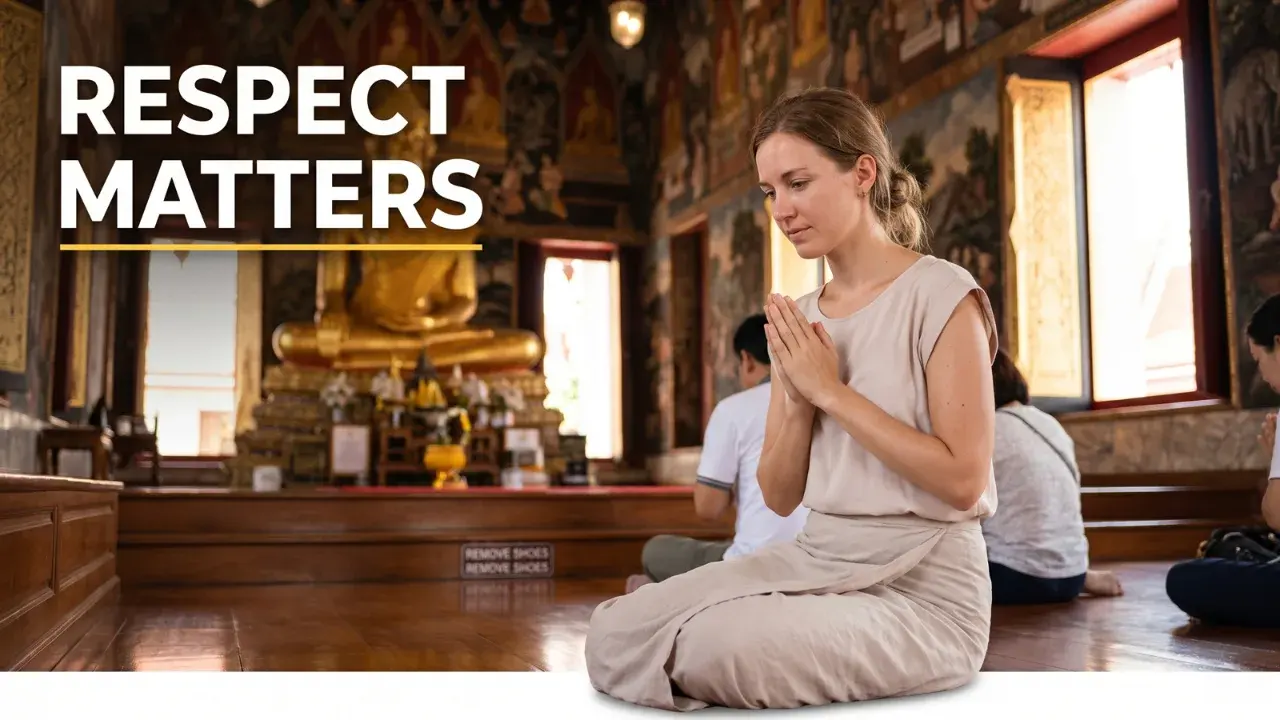
Thailand is one of the world’s most popular destinations, but a smooth trip often depends on small choices in temples, markets, hotels, and online. Here is what visitors should understand before treating local customs as vacation scenery.
Thailand can feel effortless to visitors: warm welcomes, beautiful temples, busy night markets, beach towns, street food, malls, and hotels used to receiving travelers from around the world.
But easy does not mean anything goes.
For many visitors, especially first-time travelers from the United States and other places where public behavior can be more casual and direct, the most important travel lessons in Thailand are not complicated. They are small, visible choices: how you dress at a temple, where your feet point, how loudly you complain, whether you film strangers, and how carefully you treat rules that may feel unfamiliar.
Thailand rewards travelers who pay attention.
Respect starts before the temple gate
Many visitors know that temples are important in Thailand. Fewer understand that temple etiquette is not just about “being polite” in a general way.
Buddhist temples are active religious spaces. People pray there, make merit, attend ceremonies, and visit monks. A Buddha image is not simply a photo backdrop.
Travelers should usually cover shoulders and knees, remove shoes where required, speak quietly, and avoid playful or dramatic poses around religious images. Thailand’s official tourism guidance also reminds visitors to avoid touching people’s heads and avoid pointing feet at people or sacred objects.
A good rule is simple: if locals are quiet, slow down too.
That applies not only in temples, but also at shrines, royal sites, funeral areas, and traditional homes. Thailand welcomes visitors into many meaningful places, but tourism does not erase the meaning of those places.
The monarchy is not a casual joke topic
One major mistake foreign visitors can make is assuming that jokes, memes, criticism, or offhand comments about public figures are treated the same everywhere.
They are not.
Thailand has strict laws concerning criticism of the monarchy. The UK Foreign, Commonwealth & Development Office warns travelers to be careful with public comments and online activity related to the Thai royal family.
For visitors, the safest approach is also the most respectful one: avoid jokes, insults, casual criticism, memes, or social media posts about the monarchy while in Thailand.
That is not about being dramatic. It is about understanding that local law and local expectations can apply online as well as in person.
Calm behavior usually works better than confrontation
Thailand is often described as relaxed, and in many everyday situations that is true. But Thai social culture also places high value on keeping calm, avoiding public embarrassment, and not turning disagreement into a scene.
A traveler who raises their voice at hotel staff, argues aggressively with a taxi driver, mocks a vendor, or loses their temper in a restaurant may make the situation worse, even when the complaint itself is valid.
This can be an adjustment for Americans, who may be used to directness being treated as honesty. In Thailand, public anger can be read as a loss of control.
That does not mean visitors should accept scams, unsafe behavior, or unfair treatment. It means the better strategy is firm, polite, and calm.
“Can you help me understand the price?” will usually work better than “You’re cheating me.”
The difference may sound small, but in Thailand it can change the whole interaction.
Shoes, feet, and heads are noticed
Some of Thailand’s most important etiquette rules are physical.
Shoes often come off before entering temples, homes, massage shops, and some small businesses. If there is a row of shoes near the entrance, follow the pattern.
Feet are considered low and should not be pointed toward Buddha images, monks, elders, or people sitting nearby. The head is generally treated as the highest and most respected part of the body, so touching someone’s head, even playfully, can feel intrusive.
These customs are not always written on signs, but they are often noticed.
One of the best travel skills in Thailand is observation. Watch where local people stand, how they sit, whether they remove shoes, and how quietly they speak.
Respectful travel now includes what you post
Travel behavior no longer ends when someone leaves a temple, market, airport, or restaurant. Photos, captions, livestreams, and short videos can spread instantly.
That matters in Thailand.
Visitors should be careful when posting images from temples, royal sites, immigration areas, hospitals, accident scenes, private businesses, or places where people are praying. The UK government also warns that posting images of people drinking alcohol or wearing clothing considered inappropriate can create legal risk in Thailand.
The respectful choice is to ask before filming people closely, avoid mocking accents or customs, and think twice before turning someone else’s daily life into content.
A market vendor, monk, hotel cleaner, taxi driver, or street-food cook is not automatically part of a visitor’s media project.
Current travel basics still matter
Respectful travel is also practical travel.
Foreign visitors entering Thailand must complete the Thailand Digital Arrival Card online before arrival. The Tourism Authority of Thailand says the TDAC requirement began on May 1, 2025, for non-Thai nationals entering by air, land, or sea, and travelers should register within three days before arrival.
Travelers should use official government channels and be cautious of unofficial paid sites or lookalike services.
There are other rules visitors should check before traveling. The UK government says it is illegal to possess or use vapes, e-cigarettes, pods, e-liquids, or heat-not-burn devices in Thailand, with no tourist or personal-use exception. It also says cannabis use is restricted to medical purposes with a Thai-issued prescription, and recreational use remains illegal.
The U.S. State Department currently advises travelers to exercise increased caution in Thailand and lists areas of increased risk, including the southern provinces of Yala, Pattani, and Narathiwat, as well as areas near the Thai-Cambodian border.
None of this means Thailand is not enjoyable. It means official travel advice should be part of planning, not an afterthought.
The biggest misunderstanding
The biggest mistake is thinking respect in Thailand is only about temples.
It is broader than that.
Respect can mean not bargaining so aggressively that a small purchase turns into a power game. It can mean dressing more modestly after leaving the beach. It can mean not treating monks as photo accessories. It can mean standing back when people are praying instead of chasing the perfect angle.
It can also mean accepting that Thailand is not just a vacation setting. It is a country where people work, worship, commute, raise families, and live with the daily effects of tourism.
Visitors do not need to become experts in Thai culture before boarding a plane. But they should bring curiosity, patience, and a willingness to adjust.
That mindset is often more useful than memorizing every rule.
Thailand remains one of the easiest places in the world to love as a traveler. The best visitors make it easier for local people to keep welcoming them.
KEY TAKEAWAYS:
- Thailand is welcoming, but temples, royal sites, markets, and public spaces still have clear social expectations.
- Visitors should dress modestly at temples, remove shoes where required, and avoid pointing feet at sacred objects or people.
- Public anger, mocking, or aggressive complaints can make situations worse; calm firmness usually works better.
- Travelers should be careful with social media posts, especially around temples, royal sites, alcohol, immigration areas, and private individuals.
- TDAC, vaping, cannabis, and travel advisory rules should be checked through official sources before arrival.
Tourism Authority of Thailand, Thailand Digital Arrival Card, UK Foreign, Commonwealth & Development Office, U.S. Department of State, Original user-provided article brief
References:
https://www.tourismthailand.org/Articles/tdac
https://www.gov.uk/foreign-travel-advice/thailand/safety-and-security
https://travel.state.gov/content/travel/en/traveladvisories/traveladvisories/thailand-travel-advisory.html

เขียนโดย Postjung Insights
 5 คณะที่เรียนจบมาแล้ว มีอาชีพรองรับมากกว่าที่คิด
 อำเภอที่มีชื่ออำเภอสั้นที่สุด 3 อำเภอเท่านั้นในประเทศไทย
 Google ยอมรับแล้ว! Gemini AI เข้าถึงระบบบริษัทจริง 3 แห่ง ระหว่างการทดสอบความปลอดภัย
 ตาราง “เด่นเหนือเด่นใต้” งวด 1 ต.ค. 69 เปิดข้อมูลตามโพย เลขไหนอยู่ตรงไหน
 โรงเรียนที่มีนักเรียนมากที่สุดในไทย
 แปลปกสลาก งวด 1 ต.ค. 69 ส่องตัวเลขจากภาพปกสลากกินแบ่งรัฐบาล
 รู้หรือไม่? เปิดรายได้พนักงานส่งพัสดุของแต่ละแอป วันหนึ่งได้เท่าไร
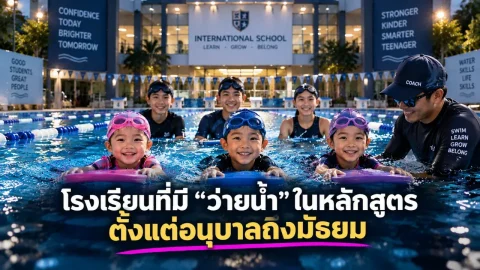 เปิดรายชื่อโรงเรียนในไทยที่ “ว่ายน้ำ” อยู่ในหลักสูตร เรียนจริงตั้งแต่อนุบาลถึงมัธยม
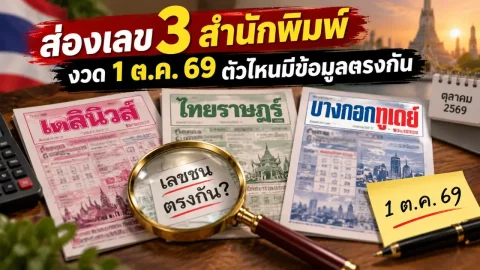 ส่องเลข 3 สำนักพิมพ์ งวด 1 ต.ค. 69 ตัวไหนมีข้อมูลตรงกัน
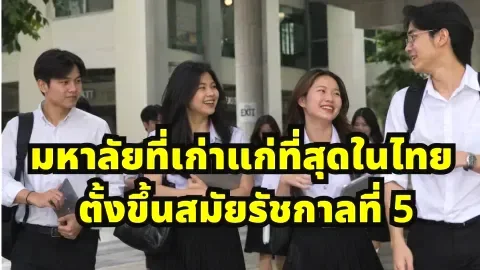 จุฬาฯ มหาวิทยาลัยแห่งแรกของไทย มีจุดเริ่มต้นในสมัยรัชกาลที่ 5
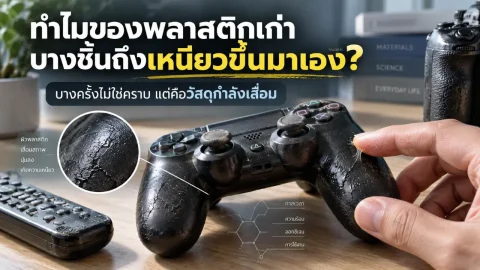 ทำไมของพลาสติกเก่าบางชิ้นถึง “เหนียว” ขึ้นมาเอง ทั้งที่ไม่ได้เปื้อนอะไร?
 สถิติย้อนหลัง 10 ปี ออกเลขไหนบ้างมาดูกัน5 คณะที่เรียนจบมาแล้ว มีอาชีพรองรับมากกว่าที่คิดเปิดรายชื่อโรงเรียนในไทยที่ “ว่ายน้ำ” อยู่ในหลักสูตร เรียนจริงตั้งแต่อนุบาลถึงมัธยมGoogle ยอมรับแล้ว! Gemini AI เข้าถึงระบบบริษัทจริง 3 แห่ง ระหว่างการทดสอบความปลอดภัย
 เลขเด็ดปฏิทิน "หลวงปู่โต๊ะ" งวดวันที่ 1 ตุลาคม 69..ส่องเลย เลขไหนให้โชค!ทำไมของพลาสติกเก่าบางชิ้นถึง “เหนียว” ขึ้นมาเอง ทั้งที่ไม่ได้เปื้อนอะไร?
 อุทยานเขาใหญ่เรียกตัว “ตีนผี” หลังขับจี้ช้างป่าพ่อลูก ลั่นระยะ 50 เมตรต้องจำให้ขึ้นใจ
 English Edition