Thailand Is Changing How It Wants Tourists to Visit in 2026
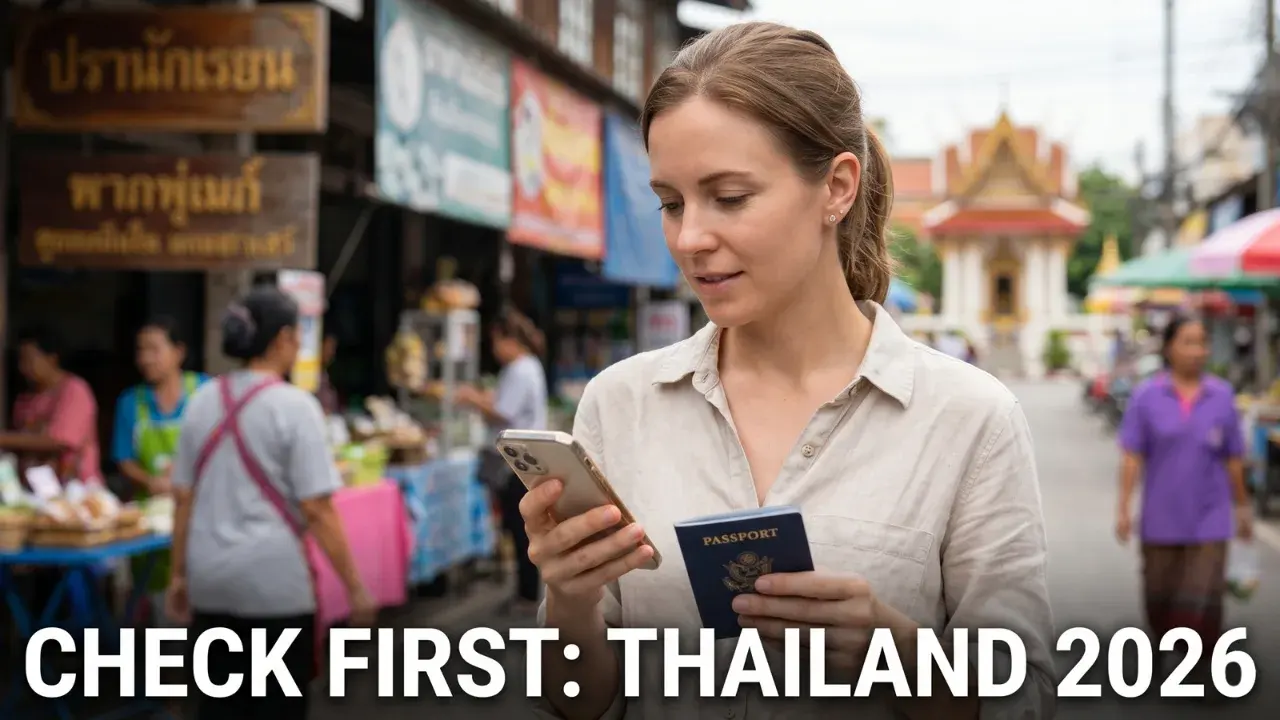
Thailand is still welcoming visitors, but its 2026 tourism strategy is moving toward higher-value trips, safer travel, wellness, culture, and better-managed destinations. For travelers, the biggest takeaway is simple: plan more carefully, check entry rules, and look beyond the usual stops.
Thailand is not trying to make travel less welcoming in 2026. It is trying to make tourism work better — for visitors, local communities, and the destinations carrying the heaviest crowds.
That shift may change how some travelers experience the country. The familiar Thailand is still there: Bangkok street food, island beaches, temples, night markets, spa culture, and strong value for money. But the message from tourism officials is moving away from “more tourists at any cost” and toward trips that are safer, longer, more thoughtful, and more valuable.
For Americans and other long-haul travelers, that could make Thailand feel less like a quick bargain getaway and more like a destination for wellness, food, culture, and slower travel.
Thailand Wants “Value,” Not Just Visitor Numbers
Thailand has long been one of Asia’s most popular travel destinations. Before the pandemic, the country was known for pulling in huge international arrival numbers, with tourism supporting hotels, restaurants, transport, nightlife, local tours, and small businesses across the country.
The 2026 strategy points in a slightly different direction.
The Tourism Authority of Thailand has framed its current approach around “value over volume,” meaning the country wants stronger spending, better-quality experiences, more balanced growth, and tourism that spreads income beyond the most famous destinations.
That does not mean Thailand is turning away budget travelers. Street food, affordable hotels, local markets, public transport, and casual beach towns remain part of the appeal.
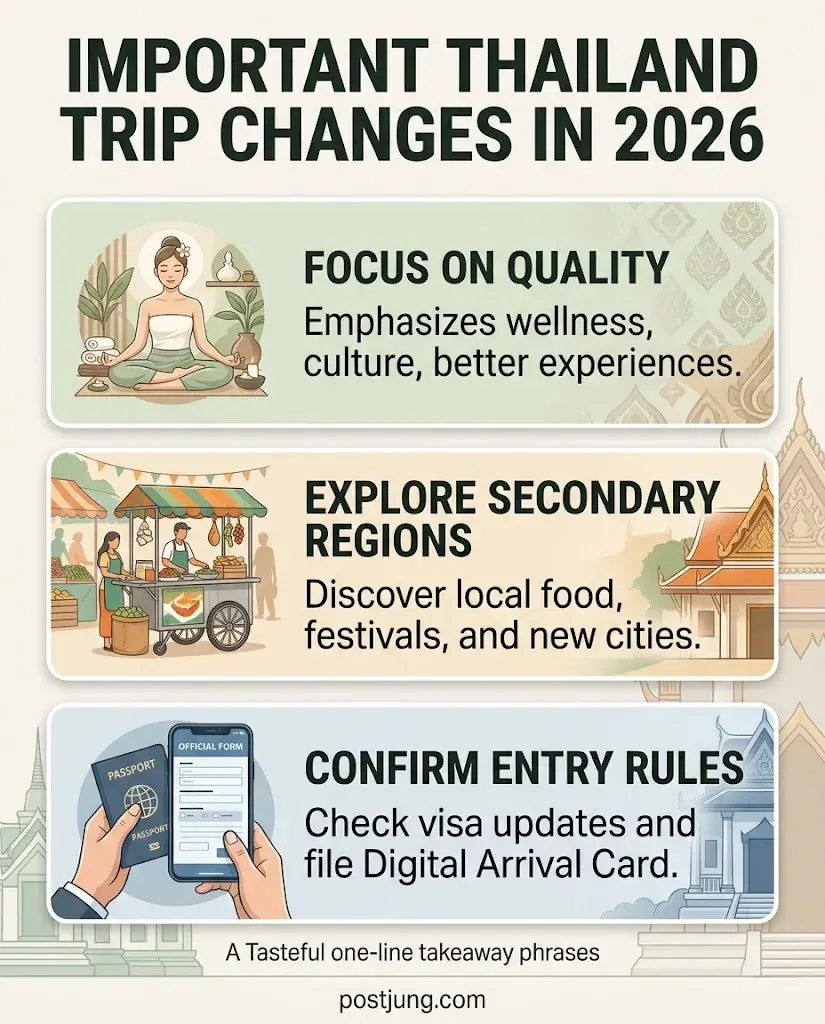
The difference is in what Thailand appears to be promoting more heavily: wellness trips, medical and health-related travel, regional culture, food experiences, sports, events, nighttime activities, sustainability, and travel to secondary cities.
In plain English, Thailand wants visitors to do more than fly in, rush through Bangkok and Phuket, post a few beach photos, and leave.
What Travelers May Notice
The change may not show up as one dramatic new rule. It may show up in the way Thailand is marketed, packaged, and managed.
Travelers may see more campaigns around spa retreats, health checkups, local festivals, sports events, regional cuisine, and cultural routes. Provinces outside the usual tourist circuit may get more attention, especially places with distinctive food, crafts, landscapes, temples, or community-based tourism.
That matters because many first-time visitors still build their Thailand trips around a familiar route: Bangkok, Chiang Mai, Phuket, Pattaya, or the southern islands.
There is nothing wrong with that. Those places are popular for a reason.
But Thailand’s tourism direction suggests that a richer trip in 2026 may include a smaller province, a local food route, a festival, a wellness stay, or a few extra days outside the busiest tourist zones.
For a visitor, the practical benefit is clear: fewer copy-paste travel moments and more of the country’s real variety.
The Visa Rules Are the Part to Watch
The biggest practical issue for 2026 travelers is entry rules.
Thailand expanded visa-free travel during the post-pandemic recovery period, including a 60-day visa exemption for travelers from many countries. In May 2026, Thai officials approved revisions to the visa-exemption and visa-on-arrival systems, with Reuters reporting that the 60-day visa-free stay would be reduced back to 30 days for tourists from affected countries.
Official summaries have said the revised conditions would take effect after publication in the Royal Gazette, Thailand’s official legal publication. That timing matters because travel rules can be approved before they are fully implemented.
For ordinary visitors, the safest approach is not to rely on old travel blogs, TikTok tips, or memories from a previous trip.
Check official entry requirements before booking. Check again before flying. If your trip depends on staying longer than 30 days, confirm the correct visa route through official Thai government or embassy channels.
Thailand Also Has a Digital Arrival Card
Another entry detail travelers should not miss is the Thailand Digital Arrival Card, known as the TDAC.
Foreign travelers are required to complete the TDAC online before arrival. Current travel guidance says it should be completed within three days before arriving in Thailand through the Thai Immigration Bureau website.
There is also a scam risk. Australia’s Smartraveller advisory warns travelers to beware of fake websites charging fees for the TDAC. Thai embassy guidance has also stated that the official TDAC website is free of charge.
That makes this one of the easiest travel mistakes to avoid: use the official government site, do it yourself, and do not pay a random third-party website for something that should be free.
“Quality Tourism” Does Not Only Mean Luxury
One common misunderstanding is that “quality tourism” means Thailand only wants wealthy visitors.
Money is part of the story, but it is not the whole story.
Quality tourism can also mean visitors who follow visa rules, use licensed services, support local businesses, respect temples and communities, avoid scams, and behave responsibly in places where people actually live.
That context is important because Thailand’s visa-rule discussion has also been linked to concerns about overstays, misuse of long stays, illegal work, and security issues. Officials have described the changes as part of a broader effort to simplify rules and reduce abuse of the system.
For travelers, the message is not complicated: Thailand remains accessible, but easy travel still comes with rules.
What American Travelers Should Understand
For many Americans, Thailand still feels like excellent value. Meals, domestic transport, hotels, massages, and day tours can often cost far less than comparable services in the United States.
That value is real, but the best Thailand trip in 2026 may reward better planning.
A two-week first trip built around Bangkok, Chiang Mai, and one beach destination can still work beautifully. But travelers who want a deeper experience may get more out of adding a smaller city, booking a reputable food tour, visiting during a local festival, or choosing a wellness retreat with clear standards.
Thailand’s wellness push may also appeal to Americans interested in spa travel, fitness retreats, preventive health checkups, or slower recovery-style vacations. Still, medical and health-related travel requires extra caution. Travelers should verify provider credentials, understand follow-up care, and check insurance coverage before making medical decisions abroad.
A Smarter Way to Visit Thailand in 2026
Thailand’s tourism shift is not about closing the door. It is about changing what tourism gives back.
For visitors, that can be good news.
A more thoughtful Thailand trip may be less rushed, less crowded, and more connected to local life. It may include a famous beach, but also a regional food market. It may include Bangkok, but not only Bangkok. It may include a wellness stay, but not as a marketing gimmick — as part of a slower, better-planned trip.
The country is still one of the world’s most inviting destinations. In 2026, the travelers who get the most from it may be the ones who treat Thailand not just as a cheap escape, but as a place worth understanding.
KEY TAKEAWAYS:
- Thailand’s 2026 tourism direction emphasizes higher-value travel, wellness, culture, safety, sustainability, and better-managed destinations.
- Visitors may see more promotion of secondary cities, regional food, local festivals, wellness packages, and cultural experiences.
- Visa-exemption rules are changing, so travelers should check official requirements before booking and again before departure.
- The Thailand Digital Arrival Card is required for foreign travelers and should be completed through the official Thai Immigration Bureau website.
- “Quality tourism” is not only about luxury; it also means responsible visitors, legal stays, trusted services, and respect for local communities.
Tourism Authority of Thailand, TAT Newsroom, Thailand PRD, Reuters, Smartraveller Australia, Royal Thai Embassy Canberra
References:
https://www.tatnews.org/2026/04/tat-refocuses-on-value-over-volume-as-2026-tourism-outlook-is-recalibrated/
https://www.reuters.com/world/asia-pacific/thailand-tighten-rules-visas-exemptions-tourists-2026-05-19/
https://www.smartraveller.gov.au/destinations/asia/thailand

เขียนโดย Postjung Insights
 รู้หรือไม่? เปิดรายได้พนักงานส่งพัสดุของแต่ละแอป วันหนึ่งได้เท่าไร
 5 คณะที่เรียนจบมาแล้ว มีอาชีพรองรับมากกว่าที่คิด
 อำเภอที่มีชื่ออำเภอสั้นที่สุด 3 อำเภอเท่านั้นในประเทศไทย
 เปิดรายชื่อโรงเรียนในไทยที่ “ว่ายน้ำ” อยู่ในหลักสูตร เรียนจริงตั้งแต่อนุบาลถึงมัธยม
 เปิด 5 โรงเรียนหญิงล้วนเก่าแก่ของไทย ที่มีประวัติยาวนานกว่าศตวรรษ
 Google ยอมรับแล้ว! Gemini AI เข้าถึงระบบบริษัทจริง 3 แห่ง ระหว่างการทดสอบความปลอดภัย
 ตาราง “เด่นเหนือเด่นใต้” งวด 1 ต.ค. 69 เปิดข้อมูลตามโพย เลขไหนอยู่ตรงไหน
 ทำไมของพลาสติกเก่าบางชิ้นถึง “เหนียว” ขึ้นมาเอง ทั้งที่ไม่ได้เปื้อนอะไร?
 โรงเรียนที่มีนักเรียนมากที่สุดในไทย
 เลขเด็ดปฏิทิน "หลวงปู่โต๊ะ" งวดวันที่ 1 ตุลาคม 69..ส่องเลย เลขไหนให้โชค!
 แปลปกสลาก งวด 1 ต.ค. 69 ส่องตัวเลขจากภาพปกสลากกินแบ่งรัฐบาล
 โรงเรียนเพียงแห่งเดียวของประเทศไทย ที่อยู่มาตั้งแต่ยุครัชกาลที่ 45 คณะที่เรียนจบมาแล้ว มีอาชีพรองรับมากกว่าที่คิดเปิดรายชื่อโรงเรียนในไทยที่ “ว่ายน้ำ” อยู่ในหลักสูตร เรียนจริงตั้งแต่อนุบาลถึงมัธยมGoogle ยอมรับแล้ว! Gemini AI เข้าถึงระบบบริษัทจริง 3 แห่ง ระหว่างการทดสอบความปลอดภัยเลขเด็ดปฏิทิน "หลวงปู่โต๊ะ" งวดวันที่ 1 ตุลาคม 69..ส่องเลย เลขไหนให้โชค!ทำไมของพลาสติกเก่าบางชิ้นถึง “เหนียว” ขึ้นมาเอง ทั้งที่ไม่ได้เปื้อนอะไร?
 อุทยานเขาใหญ่เรียกตัว “ตีนผี” หลังขับจี้ช้างป่าพ่อลูก ลั่นระยะ 50 เมตรต้องจำให้ขึ้นใจ
 English Edition