Why Bangkok’s Orange Motorbike Taxi Vests Mean More Than Tourists Realize
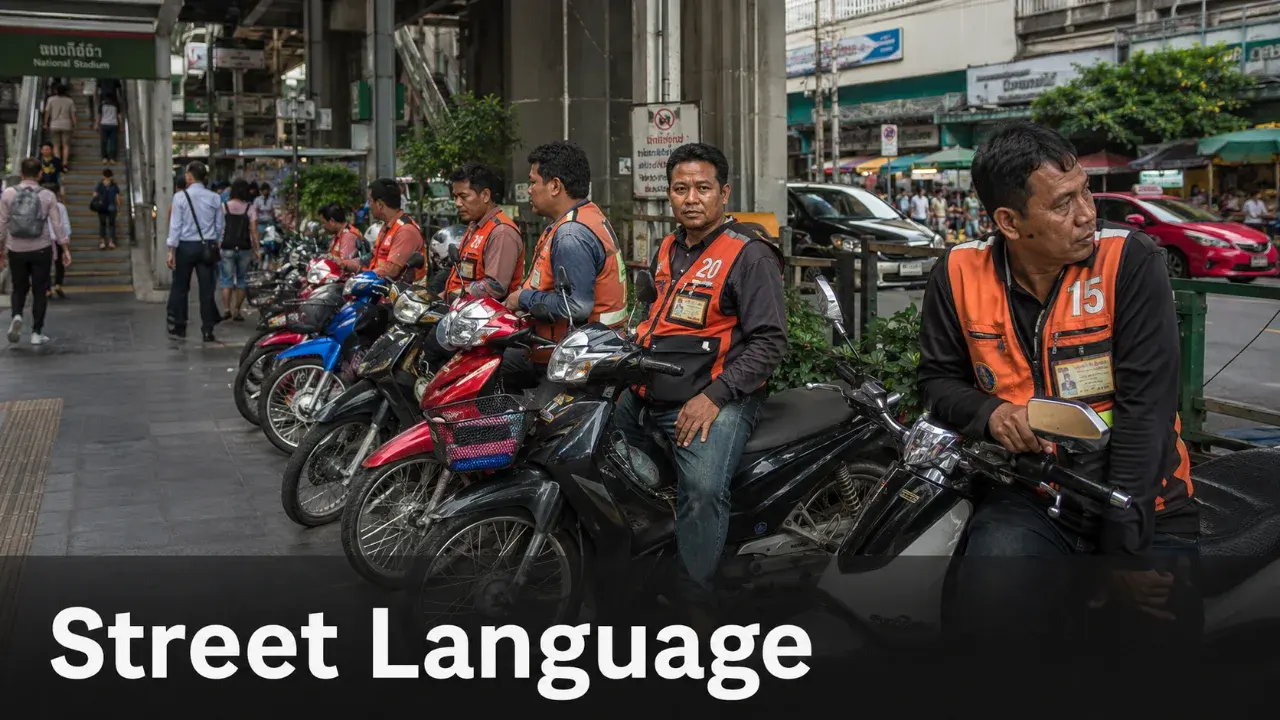
Bangkok’s orange motorbike taxi vests are not just bright uniforms. For locals, they are a fast visual signal for short rides, neighborhood knowledge, and the city’s complicated last-mile transport system.
In Bangkok, an orange vest can say a lot before anyone speaks.
You may spot one outside a BTS Skytrain station, at the entrance to a narrow side street, beside a market, or near an office tower at lunchtime. To a first-time visitor, it may look like another colorful detail in a busy city. To many Bangkok residents, it is a practical sign: a motorbike taxi is nearby.
These drivers are commonly known in Thailand as “win” motorbike taxi drivers. The word “win” refers to the local queue or stand where riders wait for passengers. In a city known for heat, traffic, long side streets, and crowded transit connections, they help solve one of Bangkok’s most ordinary problems: getting through the last stretch of a trip.
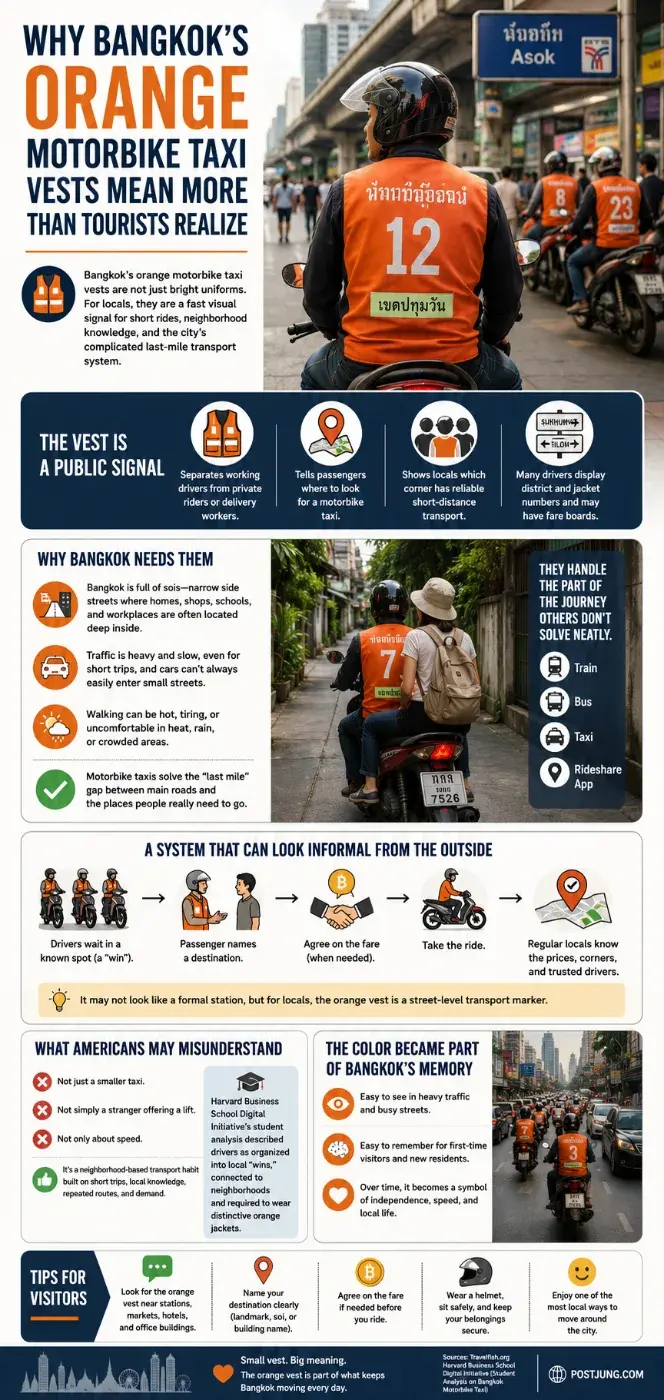
The vest is a public signal
Bangkok has plenty of motorcycles, but not every person on a motorcycle is offering a public ride.
That is where the vest matters. The orange vest helps separate a working motorbike taxi driver from a private rider, delivery worker, or someone simply parked near the road.
Travel guide Travelfish notes that Bangkok motorbike taxi drivers commonly wear colored vests, mostly orange, and that jackets may show the district where the driver is registered and a jacket number. The same guide says riders often gather near entrances to sois, hotels, office buildings, subway and skytrain stations, and may have fare boards for popular destinations.
That small piece of clothing does a lot of work. It tells passengers where to look. It tells locals which corner has transport. It gives visitors a clue that this is not just a random motorcycle ride.
Why Bangkok needs them
To understand why the orange vest became so familiar, you have to understand Bangkok’s street layout.
Many neighborhoods are built around long side streets known as “sois.” A main road may have a train station, bus stop, mall, market, or office building. But the actual place someone needs to reach — an apartment, clinic, school, hotel, lunch shop, or workplace — may sit deep inside a soi.
On a map, that distance may look small. On a hot day in Bangkok, it can feel much longer.
Taking a car may not help much. Traffic can be slow even for short trips, and cars cannot always move easily through narrow side streets. Walking may be uncomfortable in heat, rain, or heavy pedestrian areas.
Motorbike taxis fit into that gap. They are not meant to replace the train, bus, taxi, or ride-hailing app. They often handle the part of the journey that those systems do not solve neatly.
For many residents, the orange vest means the last mile is covered.
A system that can look informal from the outside
Foreign visitors often notice Bangkok’s traffic first: cars, tuk-tuks, buses, taxis, food carts, delivery riders, pedestrians, and motorbikes all moving through tight spaces.
What is easier to miss is that the street has its own order.
A motorbike taxi queue is usually tied to a location. Drivers wait near a known spot. Passengers approach, name a destination, agree on the fare when needed, and take the ride. In many areas, regular passengers already know the common price, the usual corner, and which drivers understand nearby apartment names or local landmarks.
The system may not look like a formal station in the way Americans might imagine one. There may be no large sign, ticket counter, or app screen. But for people who live nearby, the orange vest can function almost like a street-level transport marker.
That is why it feels like “language.” It communicates purpose, location, and possibility in one glance.
What Americans may misunderstand
For American readers, the easiest comparison may be a taxi stand, a rideshare pickup point, or an e-scooter zone. None of those comparisons is perfect.
A Bangkok motorbike taxi is not just a smaller taxi. It is also not simply a stranger offering a lift. It is a neighborhood-based transport habit built around repeated short trips, local knowledge, and demand from people moving between main roads and smaller streets.
Harvard Business School Digital Initiative’s student analysis of Bangkok motorbike taxis described the drivers as organized into local “wins,” with drivers connected to neighborhoods and required to wear distinctive orange jackets.
That local structure matters. In many U.S. cities, short trips are often shaped by cars, sidewalks, buses, rideshare apps, or scooters. In Bangkok, dense neighborhoods, heat, heavy traffic, and narrow sois make two-wheeled transport especially practical.
The orange vest is the visible marker of that difference.
The color became part of Bangkok’s memory
Orange works because it is easy to see.
Against concrete, traffic, shop signs, street food stalls, shade, and moving vehicles, the color stands out quickly. For a passenger trying to find a ride from across the street, visibility matters.
Over time, the vest has become more than a uniform. It appears in daily commutes, travel videos, news photos, neighborhood conversations, and ordinary street scenes. Even people who rarely use motorbike taxis understand what the color usually means.
It has become a shortcut for reading Bangkok.
Orange vest near a station? There may be a quick ride into the soi.
Orange vest beside a market? Someone may know the nearby shortcuts.
Orange vest at a corner? That corner may be part of the local transport map, even if it does not look like one.
Practical, not decorative
Outsiders sometimes describe Bangkok’s streets as chaotic because they are busy and visually dense. But busy does not always mean disorganized.
The orange vest is a reminder that local systems can be legible without looking official in a Western way. A motorbike taxi stand may not resemble a subway stop or airport taxi rank, but it can still serve a clear public function.
That does not mean passengers should ignore safety. Motorbike taxis involve real risks, especially in heavy traffic. Visitors should use judgment, look for identifiable vested drivers, agree on the fare when appropriate, ask for a helmet when available, and avoid accepting rides from people who do not appear connected to a recognizable stand.
The point is not that every ride is the same or that every driver should be treated as automatically safe. The point is that the vest is part of how Bangkok makes a fast, local transport option visible.
What the orange vest really says
The orange motorbike taxi vest is a small piece of public information.
It helps residents make quick decisions. It helps visitors identify a local transport option. It gives shape to a system that might otherwise look confusing. It turns a person on a motorcycle into a recognizable part of Bangkok’s movement network.
That matters because Bangkok is not understood only through temples, malls, skyline views, night markets, or famous food streets.
It is also understood through the everyday signals people use to move: where to stand, who to ask, which corner is fastest, and which color means a ride is waiting.
In that sense, the orange vest is part of Bangkok’s street language because it does what language does best.
It helps people move through the world with less confusion.
KEY TAKEAWAYS:
- Bangkok’s orange motorbike taxi vests help identify drivers who offer short local rides.
- These drivers often serve the “last mile” between train stations, main roads, markets, offices, and deep side streets.
- The system can look informal to visitors, but many Bangkok residents read it as a familiar part of daily transport.
- The vest is useful public information, not just a uniform or decorative color.
- Visitors should still use basic safety judgment, including checking for an identifiable driver and asking for a helmet when available.
Travelfish, Harvard Business School Digital Initiative, Bangkok Post
References:
https://www.travelfish.org/transport_detail/thailand/bangkok_and_surrounds/bangkok/bangkok/61
https://aiinstitute.hbs.edu/platform-rctom/submission/ubermoto-a-challenge-to-bangkoks-motorcycle-taxis-business-model/
https://www.bangkokpost.com/thailand/general/3122229/department-of-land-transport-opens-bike-taxi-registration

เขียนโดย Postjung Insights
 รู้หรือไม่? เปิดรายได้พนักงานส่งพัสดุของแต่ละแอป วันหนึ่งได้เท่าไร
 รมว.วัฒนธรรมเอาจริง! จ่อส่งหนังสือทักท้วง Miss Universe Cambodia ปมใช้ภาพหญิงกำแพงเพชร หากไม่แก้ เตรียมใช้กฎหมาย
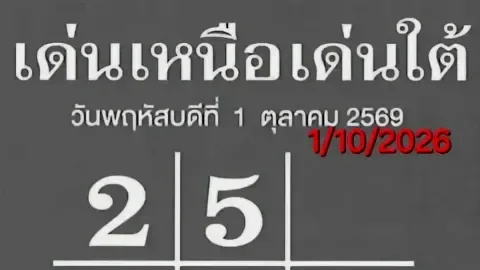 ตาราง “เด่นเหนือเด่นใต้” งวด 1 ต.ค. 69 เปิดข้อมูลตามโพย เลขไหนอยู่ตรงไหน
 แมคาเดเมีย (Macadamia): ราชินีแห่งถั่ว กับขุมทรัพย์โภชนาการจากออสเตรเลีย
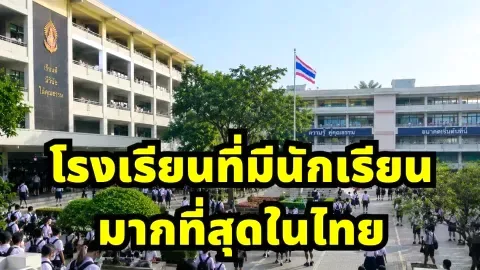 โรงเรียนที่มีนักเรียนมากที่สุดในไทย
 อำเภอที่มีชื่ออำเภอสั้นที่สุด 3 อำเภอเท่านั้นในประเทศไทย
 แมงป่อง: แมลงนักล่าสายพันธุ์โบราณของโลก ที่ยังคงอยู่มาจนถึงปัจจุบัน
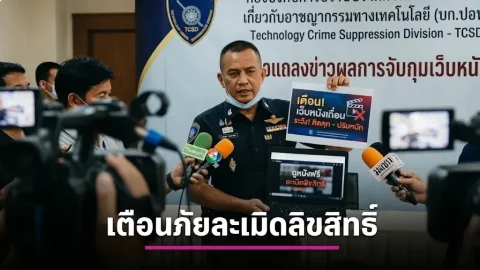 ดูหนัง–ซีรีส์ฟรีอาจไม่ฟรีอย่างที่คิด! เปิดโทษละเมิดลิขสิทธิ์ เตือนคนปล่อยคอนเทนต์เถื่อน เสี่ยงทั้งคุกทั้งปรับ
 ส่องเลข 3 สำนักพิมพ์ งวด 1 ต.ค. 69 ตัวไหนมีข้อมูลตรงกัน
 5 คณะที่เรียนจบมาแล้ว มีอาชีพรองรับมากกว่าที่คิด
 งูมัลกา (Mulga Snake): นักล่าแห่งผืนดินแห้งแล้ง ของทวีปออสเตรเลีย กับฉายา King Brown กัดคนได้ถึงตาย
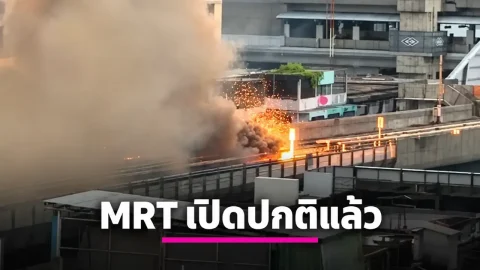 MRT เตาปูนกลับมาเปิดปกติแล้ว รมช.คมนาคมเผยปมไฟไหม้ พบประกายไฟจากชุดสายไฟ 750 โวลต์
 เปิด 5 สินค้าเกษตรจากลาวที่เข้าสู่ตลาดไทย สินค้าไหนมีบทบาทสำคัญที่สุดดูหนัง–ซีรีส์ฟรีอาจไม่ฟรีอย่างที่คิด! เปิดโทษละเมิดลิขสิทธิ์ เตือนคนปล่อยคอนเทนต์เถื่อน เสี่ยงทั้งคุกทั้งปรับรมว.วัฒนธรรมเอาจริง! จ่อส่งหนังสือทักท้วง Miss Universe Cambodia ปมใช้ภาพหญิงกำแพงเพชร หากไม่แก้ เตรียมใช้กฎหมายแมคาเดเมีย (Macadamia): ราชินีแห่งถั่ว กับขุมทรัพย์โภชนาการจากออสเตรเลียMRT เตาปูนกลับมาเปิดปกติแล้ว รมช.คมนาคมเผยปมไฟไหม้ พบประกายไฟจากชุดสายไฟ 750 โวลต์
 เปิด 5 สินค้าส่งออกของลาวที่คนไทยอาจคาดไม่ถึง หนึ่งในนั้นทำเงินเกือบ 1 พันล้านดอลลาร์
 English Edition