Why Thai Spirit Houses Still Matter in Everyday Life
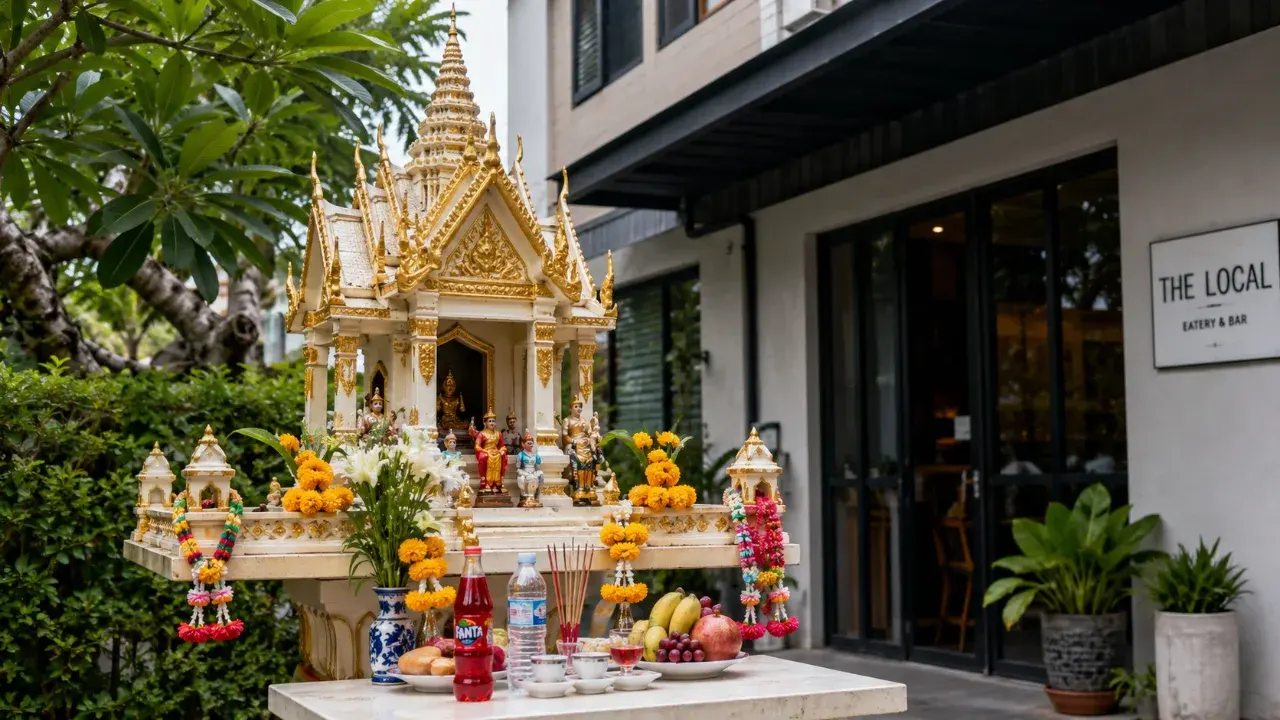
A small shrine outside a Thai home, hotel, shop, or office is not just decoration. In Thailand, spirit houses are part of everyday life because they express a local way of living with place, luck, memory, and respect. For visitors, they are easy to notice but easy to misunderstand: tiny temple-like structures with garlands, incense, fruit, drinks, and a quiet pause before daily life continues.
Walk through Bangkok and you may see one beside a luxury mall, another outside a small apartment block, and another near a restaurant kitchen. In rural areas, they may stand near homes, fields, trees, roads, or local businesses. Their scale is small, but their meaning is not. A spirit house turns ordinary land into a relationship.
A home for the unseen guardians of place
One common Thai term is san phra phum, often understood as a shrine for the guardian spirit of the land. The basic idea is simple: before people build, live, sell, cook, sleep, or do business on a piece of land, they acknowledge that the place already has a presence.
That does not mean every Thai person thinks about spirit houses in the same way. Some approach them with deep belief. Some treat them as family custom. Some see them as a respectful cultural habit. Others may not pay much attention at all. Thailand is diverse, and belief is personal.
Still, spirit houses remain visible because they fit naturally into Thai daily life. They offer a small place for flowers, incense, food, water, fruit, rice, or sweet drinks. These offerings are not random props. They are gestures of respect, gratitude, and peaceful coexistence.
The practice also reflects Thailand’s layered religious landscape. Buddhism is highly visible across the country, but everyday spirituality often includes older local beliefs, guardian spirits, Brahmanical elements, merit-making, amulets, and household rituals. A person may visit a Buddhist temple, respect a guardian spirit, and make merit without seeing those actions as contradictory. Thai spirituality often works by layering, not by separating.
Why they stand beside malls, hotels, and offices
For many visitors, the surprising part is the location. Spirit houses are not only found at old homes or traditional villages. They also stand outside banks, hotels, shopping centers, restaurants, government buildings, condominiums, and office towers.
That contrast is part of their power. Bangkok can be fast, commercial, vertical, and noisy, but a spirit house slows the eye down. It suggests that land is not only a real-estate asset. It has memory, presence, and social meaning.
When a new building is completed, a spirit house may be installed to help the place feel settled and protected. Some shrines are simple. Others are ornate, painted gold, red, cream, or white, with miniature figures inside. Many are raised on a pedestal, separating the sacred space from the ground around it.
Placement can matter too. In many traditions, the shrine should not be carelessly placed or overshadowed by the main building. Ritual specialists, Brahman priests, or people with local knowledge may be involved in choosing the location and timing. The point is not only beauty. It is proper respect for the place.
The offerings visitors keep noticing
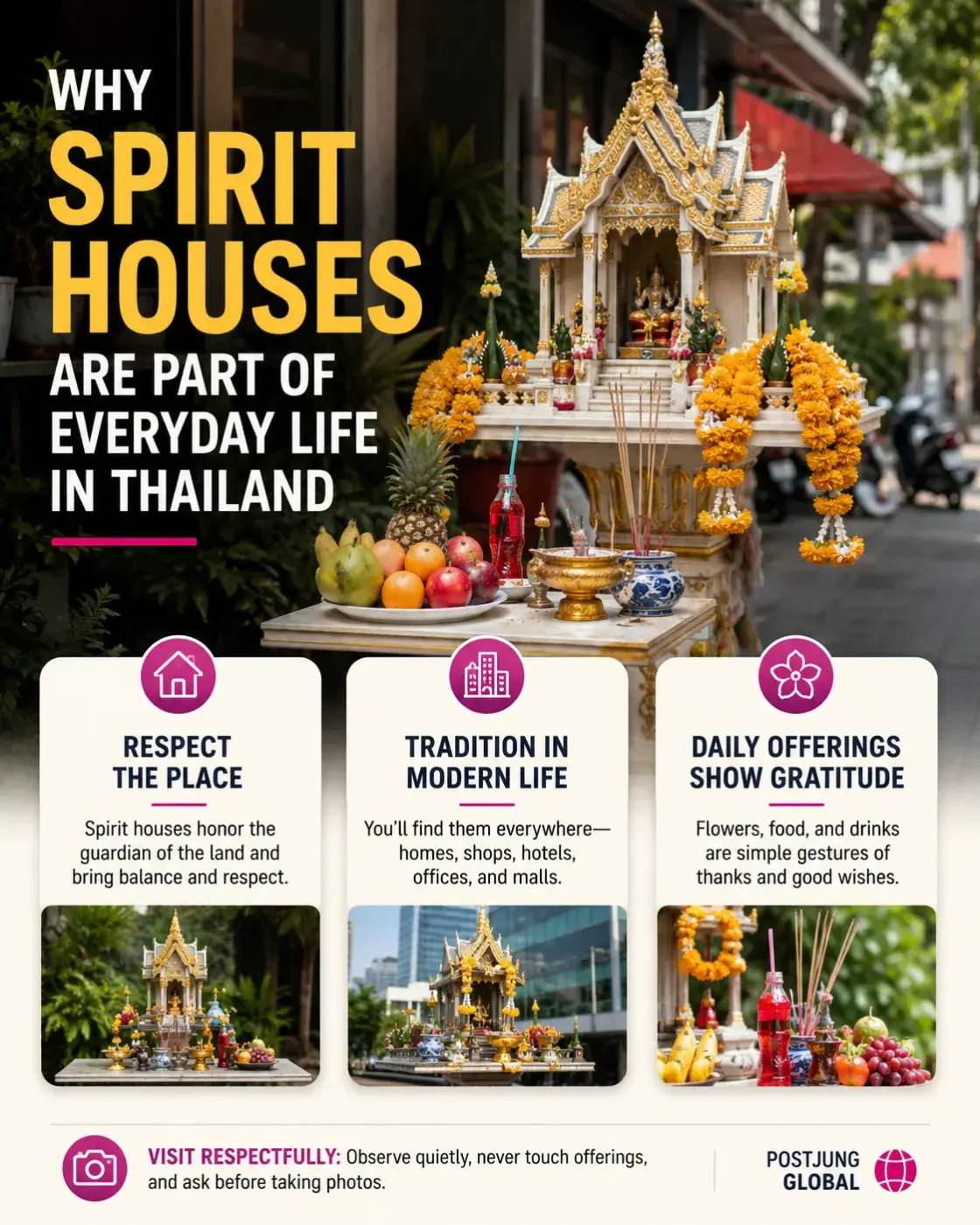
One reason spirit houses catch foreign attention is the mix of old and modern offerings. Fresh marigold garlands and incense may sit beside bottled water, fruit, rice, sweets, or red soft drinks. For visitors, a bottle of red soda with a straw can feel surprising, almost playful.
But the everyday quality is exactly the point. Offerings are things people recognize, buy, share, and enjoy. They make the unseen world feel close to ordinary life. A shrine may receive flowers in the morning before a shop opens. Someone may wai briefly before starting work. A driver may pass a roadside shrine and make a small gesture of respect.
This is why spirit houses should not be read only as “religious objects” in a museum sense. They are active parts of the environment. They are cleaned, refreshed, decorated, moved with care, and sometimes replaced when damaged or no longer suitable.
For many Thais, the practice is less about fear and more about balance. The message is simple: we are here, and we ask to live well with what was here before us.
How visitors should treat them
Spirit houses are beautiful, and many visitors want to photograph them. That is understandable. They are one of the most visually distinctive parts of Thailand’s streetscape.
But they are not tourist decorations. A good rule is to treat them as you would treat a small shrine anywhere: do not climb on them, touch offerings, move objects, pose disrespectfully, or interrupt someone who is praying. If the shrine is on private property, take photos from a respectful distance.
The most useful way to see a Thai spirit house is not as a strange curiosity, but as a small public lesson in Thai culture. It shows how modern life and traditional belief can share the same sidewalk. It also shows how homes and businesses are connected to ideas of luck, protection, gratitude, and place.
A spirit house may be small enough to miss in traffic. But once you understand what it means, you start seeing Thailand differently. The country’s streets are not only roads, shops, and buildings. They are also spaces of memory, care, and quiet respect.
References: https://culturalatlas.sbs.com.au/thai-culture/thai-culture-religion, https://www.latimes.com/world/la-fg-thailand-bangkok-spirit-houses-20190418-story.html, https://www.bangkokpost.com/thailand/special-reports/3074305/ever-wonder-why-thais-offer-red-fanta-to-the-spirits

เขียนโดย Postjung Insights
 ราคาทองวันนี้ 21 ก.ย. 69 อัปเดตตลาดทองคำ ทองรูปพรรณแตะ 69,750 บาท
 รู้หรือไม่? เปิดรายได้พนักงานส่งพัสดุของแต่ละแอป วันหนึ่งได้เท่าไร
 อำเภอที่มีชื่ออำเภอสั้นที่สุด 3 อำเภอเท่านั้นในประเทศไทย
 เปิดรายชื่อ 5 โรงเรียนเอกชนขนาดใหญ่ นักเรียนกว่า 5,000 คนทุกแห่ง
 ตาราง “เด่นเหนือเด่นใต้” งวด 1 ต.ค. 69 เปิดข้อมูลตามโพย เลขไหนอยู่ตรงไหน
 Ctrip แพลตฟอร์มการท่องเที่ยวของจีน เปิดขายตั๋วสำหรับทริปท่องเที่ยวอวกาศ ของ Virgin Galactic 6 วัน ในราคาประมาณ 24 ล้านบาท
 สถิติย้อนหลัง 10 ปี ออกเลขไหนบ้างมาดูกัน
 โรงเรียนที่มีนักเรียนมากที่สุดในไทย
 เปิดรายชื่อ 5 โรงเรียนเป้าหมาย เด็กสอบเข้าต้องเตรียมตัวให้พร้อม
 เปิด 5 โรงเรียนหญิงล้วนเก่าแก่ของไทย ที่มีประวัติยาวนานกว่าศตวรรษ
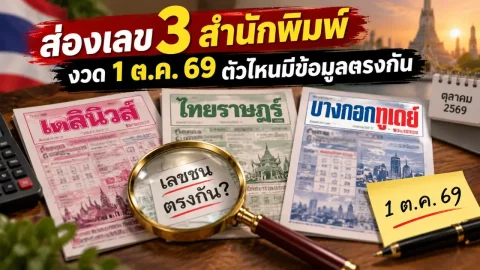 ส่องเลข 3 สำนักพิมพ์ งวด 1 ต.ค. 69 ตัวไหนมีข้อมูลตรงกัน
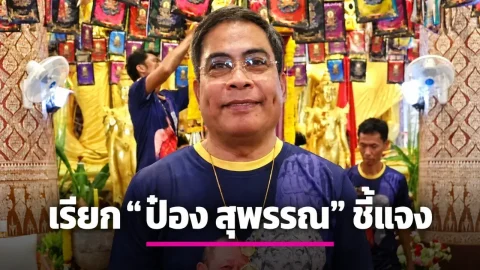 เรียก “ป๋อง สุพรรณ” เซียนพระดัง แจงปมมูลนิธิฯ วัดพุทไธศวรรย์
 เปิด 5 สินค้าส่งออกของลาวที่คนไทยอาจคาดไม่ถึง หนึ่งในนั้นทำเงินเกือบ 1 พันล้านดอลลาร์ราคาทองวันนี้ 21 ก.ย. 69 อัปเดตตลาดทองคำ ทองรูปพรรณแตะ 69,750 บาทเปิดรายชื่อ 5 โรงเรียนเอกชนขนาดใหญ่ นักเรียนกว่า 5,000 คนทุกแห่ง
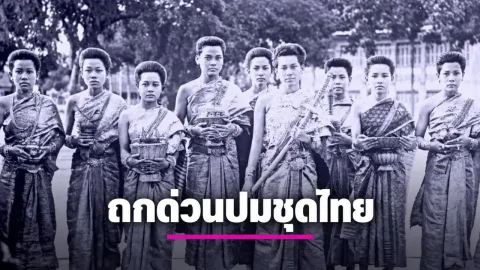 ซาบีดา” เรียกถกด่วน ปมภาพ “ชุดไทย” ถูกนำไปอ้างเป็นชุดกัมพูชาเปิดรายชื่อ 5 โรงเรียนเป้าหมาย เด็กสอบเข้าต้องเตรียมตัวให้พร้อม
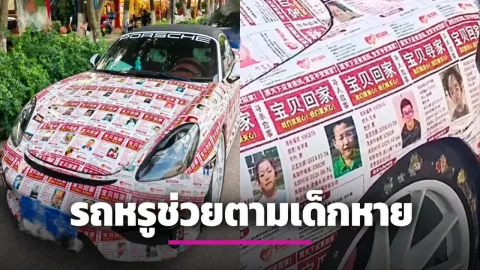 หนุ่มขับ Porsche ใจหล่อสุดๆ ติดประกาศเด็กหายไว้รอบคัน..หวังช่วยเผยแพร่ข้อมูลให้ตามหาได้เร็วขึ้น
 English Edition