How Bangkok Became One of Asia’s Great Dining Capitals
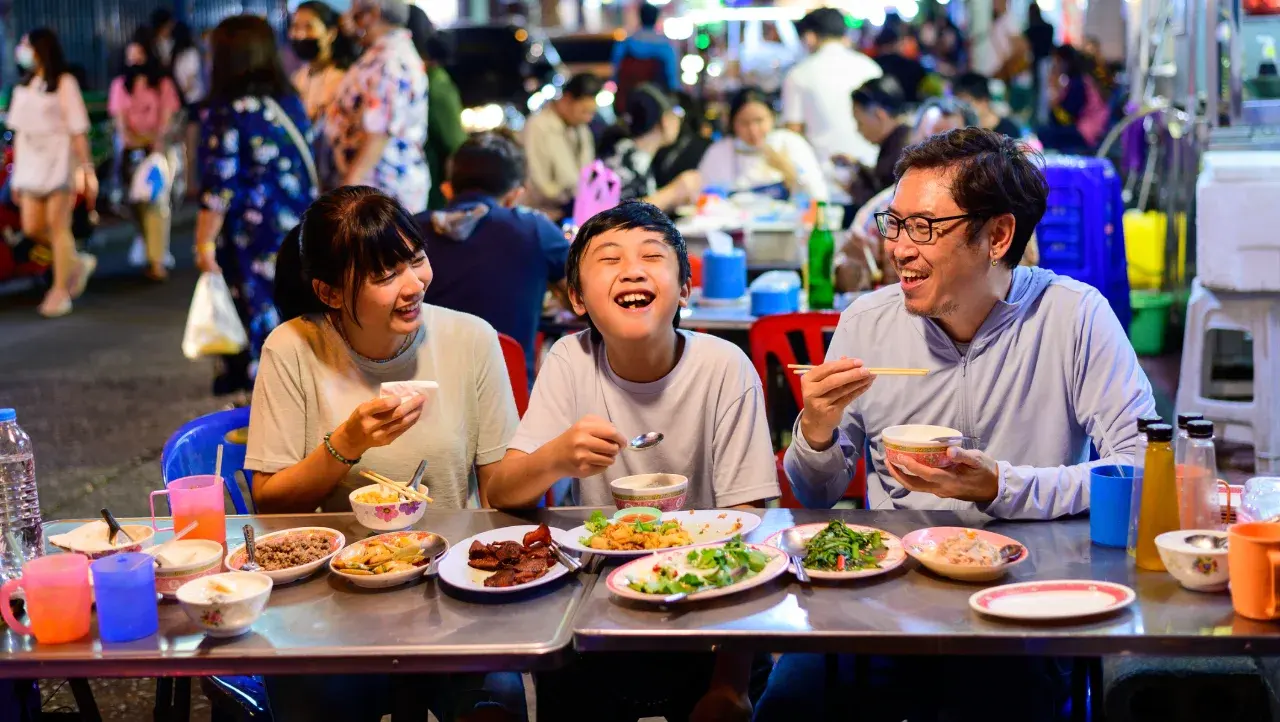
A night out in Bangkok no longer means choosing between a plastic stool and a luxury dining room. The city now does both unusually well. You can eat smoky boat noodles in a busy alley at lunch, then sit down to a tasting menu built around rare Thai herbs, regional curry pastes, fermented fish, local seafood, or family recipes that once lived far from international attention.
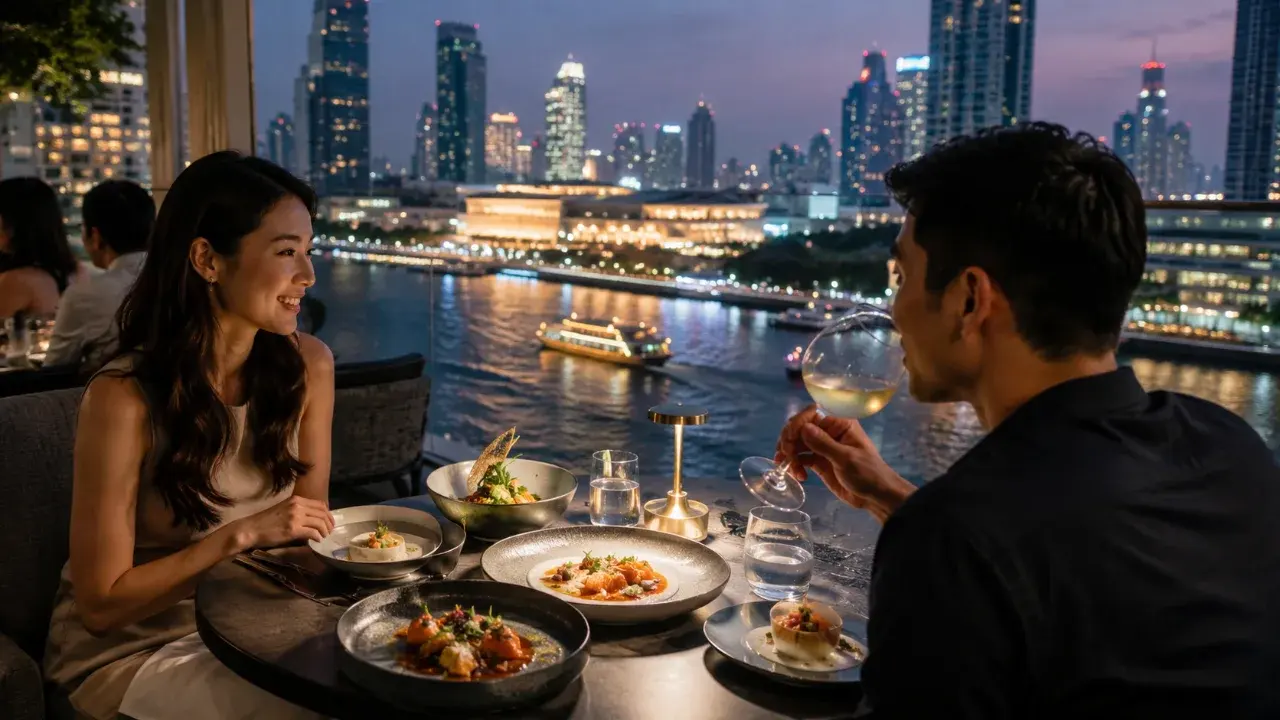
That is the real change in Bangkok.
The Thai capital did not abandon street food to become a fine dining city. It built a new layer on top of an already powerful food culture. Today, Bangkok is one of Asia’s most exciting dining cities because the street, the market, the family kitchen, and the chef’s counter all speak to each other.
Bangkok’s strength was never only cheap food
For years, many visitors arrived with a narrow idea of Bangkok food: spicy noodles, pad thai, mango sticky rice, grilled pork skewers, and late-night meals eaten beside traffic. Those things still matter. They are part of the city’s daily rhythm.
But the old stereotype missed something important. Thai food was never simple just because it was affordable.
A good curry paste can involve dozens of ingredients. A single dipping sauce may balance salt, sourness, heat, sweetness, smoke, and fermentation. Regional Thai cooking changes dramatically from north to south, from the herbal freshness of northern dishes to the deep heat of southern seafood, the grilled and fermented flavors of Isaan, and the refined palace-influenced traditions of central Thailand.
What has changed is not the depth of Thai food. What changed is who the world is finally paying attention to.
Bangkok’s modern fine dining movement has given chefs more space to present Thai cuisine as something layered, technical, historical, and deeply regional. Instead of treating local ingredients as casual everyday materials, many restaurants now place them at the center of serious dining.
Thai chefs are rebuilding the story from the inside
One reason Bangkok feels different from many imported fine dining destinations is that much of the energy comes from chefs working with Thai memory.
Some menus draw from old cookbooks. Some reinterpret recipes from grandparents or regional communities. Some focus on Thai-Chinese heritage, southern fire, local farms, forgotten vegetables, river fish, or curry pastes made with painstaking detail.
This matters because Bangkok’s rise is not only about luxury. It is also about cultural confidence.
For a long time, international fine dining often meant French technique, imported ingredients, wine-heavy service, and European restaurant codes. Bangkok has absorbed some of that professional discipline, but its most interesting restaurants are not simply copying Paris or Tokyo. They are asking a more local question: what happens when Thai food is given the same attention, pacing, sourcing, and storytelling that global diners already expect from famous Western cuisines?
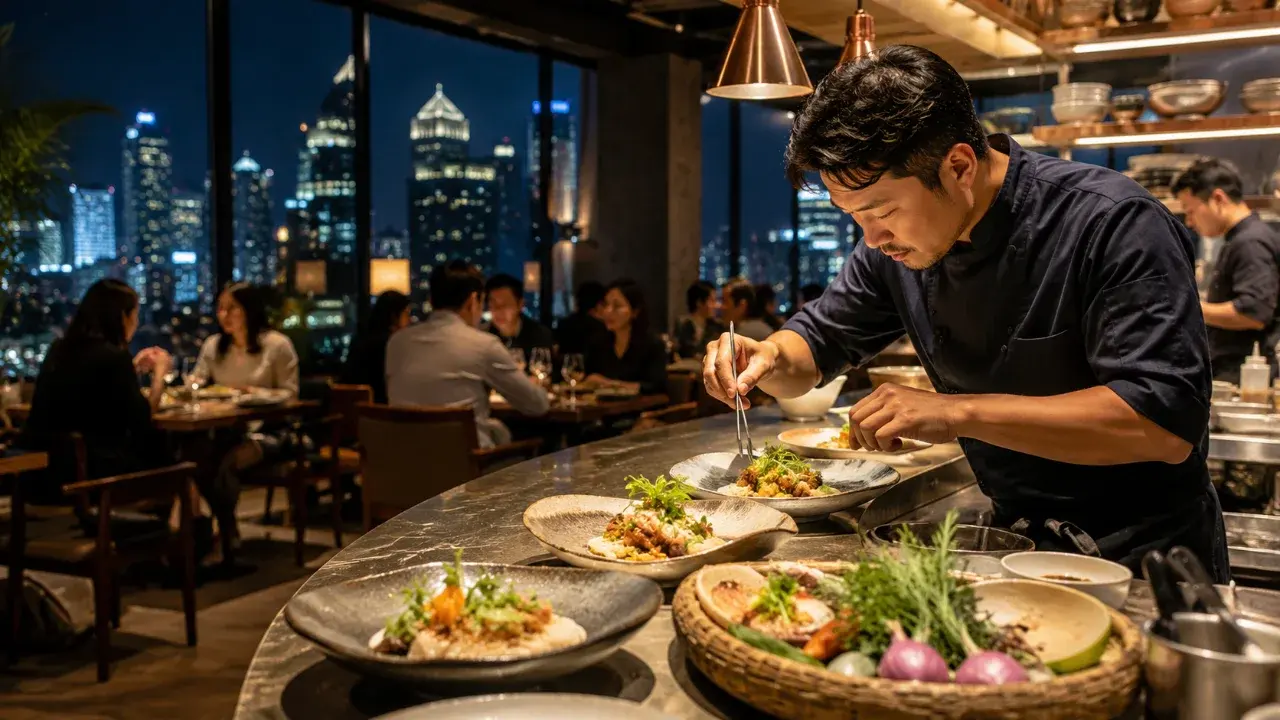
The answer is now visible across the city.
Restaurants such as Sorn, Nusara, Le Du, Potong, Sühring, Gaggan, Wana Yook, Baan Tepa, and others have helped push Bangkok into regional and global dining conversations. Their styles are very different, but together they show how wide the city’s dining identity has become: southern Thai refinement, Thai heritage menus, progressive Indian cuisine, German precision, Thai-Chinese storytelling, and sustainability-minded cooking can all sit within the same city.
Recognition helped, but it did not create the food culture
The arrival of the MICHELIN Guide gave Bangkok’s dining scene a stronger international frame. It helped visitors discover restaurants with more confidence, and it made the city easier to understand for people planning food-focused trips.
But MICHELIN did not create Bangkok’s food culture. It recognized a city that was already unusually food-obsessed.
That distinction is important. Bangkok’s dining power comes from everyday competition. A noodle seller has to satisfy regular customers. A mall restaurant has to survive intense choice. A fine dining kitchen has to impress locals, travelers, critics, and repeat diners who know Thai flavors well enough to spot when something feels weak or watered down.
In many cities, fine dining can feel separate from ordinary eating. In Bangkok, the connection is closer. A chef may be inspired by a market curry, a childhood snack, a regional street dish, or a sauce made by an older relative. The city’s best restaurants often work because they are not floating above Thai daily life. They are refining it, questioning it, and sometimes preserving it.
The mall changed the dining map
Another reason Bangkok has become easier for international diners is physical access.
In the past, eating well in Bangkok could require a lot of patience: long taxi rides, traffic, queues, handwritten menus, and a willingness to chase one legendary dish across town. That adventure can still be rewarding. But the city’s newer dining landscape is more organized.
Major retail and lifestyle districts now treat restaurants as anchors, not afterthoughts. High-end malls, hotel complexes, and mixed-use developments bring together famous local names, international chefs, Thai dessert specialists, coffee bars, casual noodle shops, and serious tasting-menu restaurants in areas that are easier for visitors to navigate.
This does not mean every mall restaurant is automatically great. It does mean Bangkok has made good food more accessible without completely separating it from local taste. A visitor can now sample serious Thai cooking, regional dishes, premium casual meals, and global restaurants within a more comfortable route.
For travelers, that changes the trip. You no longer have to choose between authenticity and convenience every time you eat.
What visitors should understand before booking
Bangkok’s new dining reputation can be exciting, but it also requires better planning.
Popular fine dining restaurants may need advance reservations, especially around weekends, holidays, and peak travel periods. Some tasting menus are expensive by local standards, even if they may feel reasonable compared with similar restaurants in Europe, Japan, or the United States. Dress codes vary. Some restaurants are relaxed, while others expect a more polished dining-room atmosphere.
It is also worth balancing the itinerary. A strong Bangkok food trip should not be only famous lists and reservation-only restaurants. The city’s magic comes from contrast.
Have the tasting menu. Try the old-school Thai restaurant. Eat something simple from a neighborhood stall. Visit a food court that locals actually use. Order a dish from a region you do not know. Let one meal be planned and another be spontaneous.
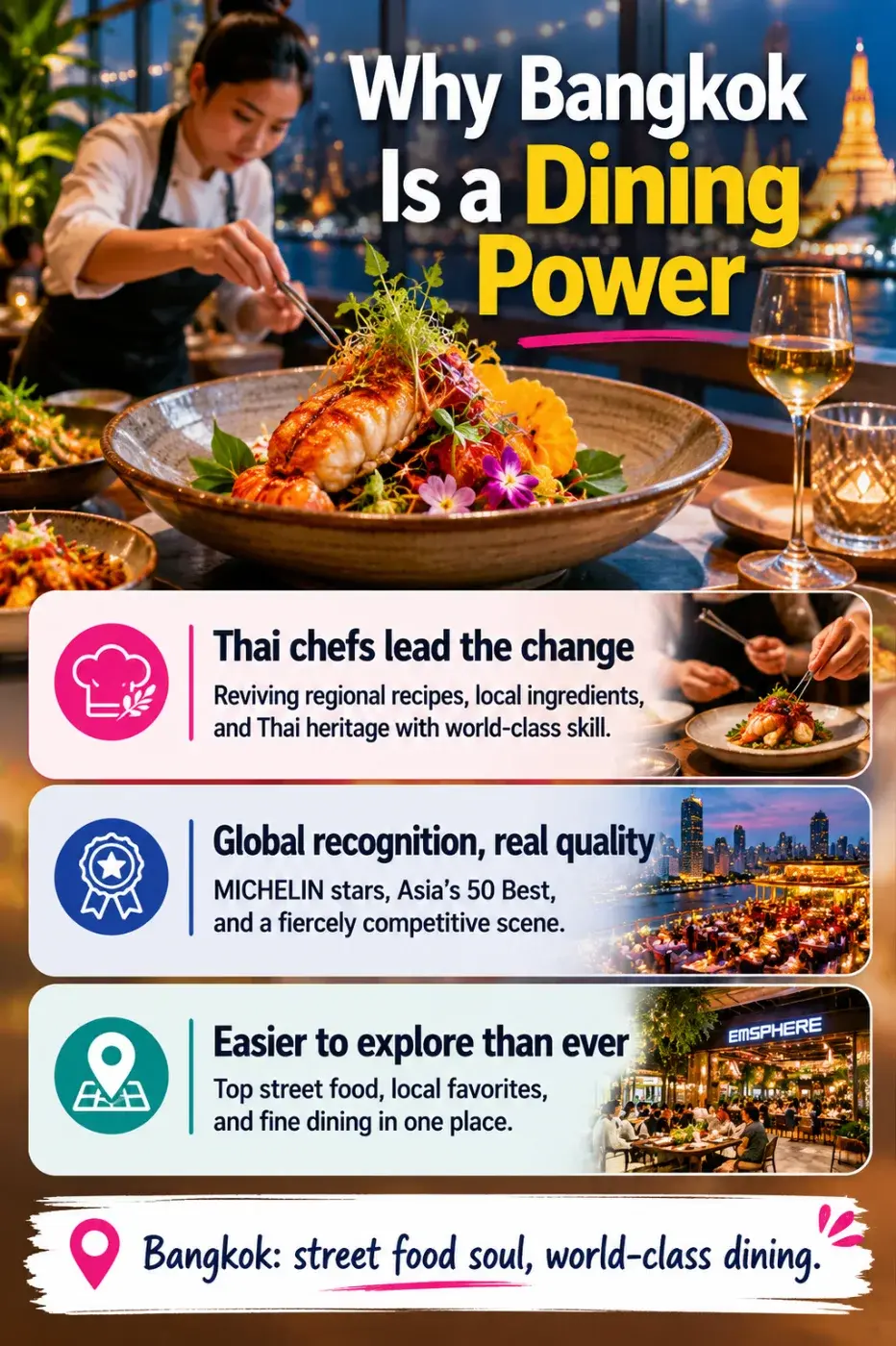
That is how Bangkok makes the most sense.
The city became a dining capital not by replacing its street-food soul, but by proving that Thai food can live at every level: quick, generous, fiery, refined, historical, experimental, humble, and world-class.
For visitors, the best way to understand Bangkok now is simple: do not arrive with only one image of Thai food in your head. The city is bigger than that, and the next unforgettable meal may come from a chef’s counter, a market stall, a hotel dining room, or a bowl placed in front of you on a busy sidewalk.
Sources: MICHELIN Guide Thailand / Asia’s 50 Best Restaurants / General knowledge
References: https://guide.michelin.com/th/en/article/michelin-guide-ceremony/full-list-michelin-stars-michelin-guide-thailand-2025 / https://www.theworlds50best.com/restaurants/best-in-asia/list/1-50
SEO Tags: Bangkok dining, Thai cuisine, fine dining Bangkok, Michelin Guide Thailand, Bangkok food scene

เขียนโดย Postjung Insights
 รู้หรือไม่? เปิดรายได้พนักงานส่งพัสดุของแต่ละแอป วันหนึ่งได้เท่าไร
 7 บทเพลงไวรัลยุคโบราณ! เพลงงานวัดที่เปิดเมื่อไหร่ คนก็ลุกขึ้นรำวงเมื่อนั้น
 5 ไอเทมป้องกันความร้อนให้บ้านแบบโบราณ! ภูมิปัญญาเก่าที่ช่วยบ้านเย็นลงได้ 3-5 องศา
 อำเภอที่มีชื่ออำเภอสั้นที่สุด 3 อำเภอเท่านั้นในประเทศไทย
 7 คันเบ็ดตกปลาโบราณ สายเรโทรยอมทุ่มเงินซื้อ! ยิ่งเก่า ยิ่งหายาก ยิ่งมีเรื่องราว
 แปลปกสลาก งวด 1 ต.ค. 69 ส่องตัวเลขจากภาพปกสลากกินแบ่งรัฐบาล
 เช็กด่วน ! ข่าวบัตรสวัสดิการแจก 10,000 บาท ก.ย. 69 จริงหรือ ? ก่อนเชื่อควรรู้อะไร
 โรงเรียนชายล้วนแห่งแรกของไทยคือที่ไหน? ย้อนดูจุดเริ่มต้นโรงเรียนสวนกุหลาบวิทยาลัย
 โรงเรียนที่มีนักเรียนมากที่สุดในไทย
 ตาราง “เด่นเหนือเด่นใต้” งวด 1 ต.ค. 69 เปิดข้อมูลตามโพย เลขไหนอยู่ตรงไหน
 รู้หรือไม่? ความทรงจำวัยเด็กอาจไม่ได้เหมือนที่เราเคยจำ! สมองสามารถ “เติมเรื่อง” ให้เราได้
 ส่องเลข 3 สำนักพิมพ์ งวด 1 ต.ค. 69 ตัวไหนมีข้อมูลตรงกันอำเภอที่มีชื่ออำเภอสั้นที่สุด 3 อำเภอเท่านั้นในประเทศไทย
 English Edition